Where the candidates stand on transit and Highway 99
The background
Inside town, Squamish's BC Transit bus system has been expanding, partly paid for by local property taxes. What Squamish still lacks is any public bus to Vancouver or Whistler; only private coaches run, and a regional service studied since 2017 has stalled over who pays and who governs it. The Province says local governments must first agree on a service model and their share of funding, while local leaders say provincial funding and political will have been missing.
Highway 99 is a provincial road, so council can only lobby, but collisions and multi-hour closures are a daily-life concern for commuters. Bike lanes are also contested locally. Parking has its own section below.
Key facts
- Local transit expanded on Jan. 4, 2026 with more weekday and late Sunday trips on Route 1 Brackendale and Route 2 Highlands. [source]
- An OnDemand transit service launched March 30, 2026, and summer 2026 brought the seasonal Route 5 South Park plus free rides on weekends and holidays from June 8 to Sept. 7. [source]
- No public regional transit links Squamish to Vancouver or Whistler; private operators (Squamish Connector, Epic Rides, Skylynx) run coaches. A 2017 BC Transit study proposed eight buses for $3.3 million a year, with the Province covering $1.4 million and local governments the rest; it never launched. The former Squamish-Whistler Route 98 (2005-2010) carried 125-200 riders a day before being cut. [source]
- In March 2026 the Ministry of Transportation and Transit said local governments must first determine the preferred service model, governance structure and local funding; the corridor has no regional transit commission, which is required before a regional motor fuel tax can fund transit. [source]
- Highway 99 safety: 355 crashes in the Squamish area in 2025 (up from 295) and a 64% rise in collisions in Q1 2026 despite a jump in speeding tickets; the RCMP is forming a highway working group to identify high-collision zones and press the Province for design changes. [source]
- Downtown paid parking: council decided in March 2025 not to proceed downtown until at least 2027; a paid-parking pilot at tourism locations (e.g., Darrell Bay, about $3/hour to a $10/day maximum in peak months) runs to the end of 2026. [source]
Agree or disagree?
Where each candidate lands on these 2 statements, from their own questionnaire answers or their public record. Tap a name for the detail.
“Regional transit to Vancouver and Whistler is worth spending local tax dollars on.”
What does this mean?
There is no public commuter bus on the Sea to Sky Highway. Starting one would likely need local money as well as provincial money.
 Jenna Stoner
  Sarah Ellis
 Andrew Hamilton
 Anders Ourom
 Laura Prosko
 Sean Easton
 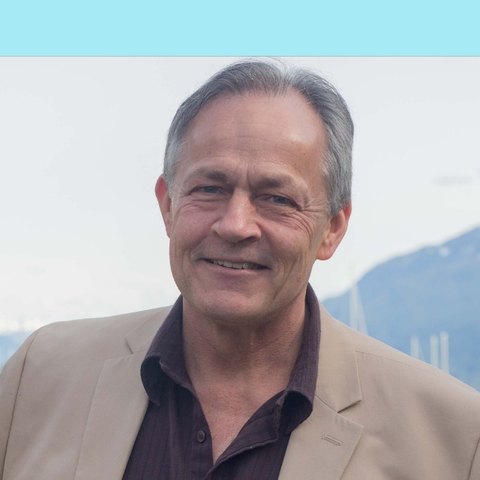 Ian Brown
 Kieran Brownie
 John French
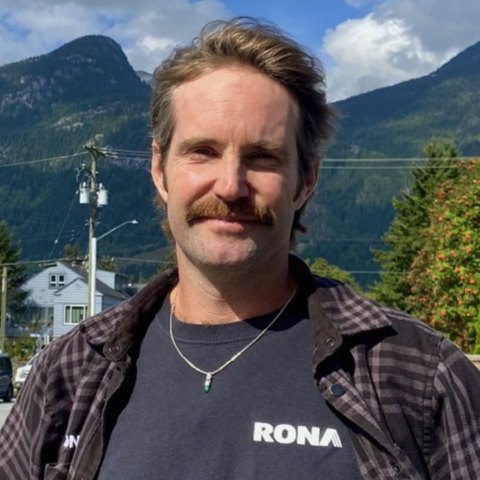 Sean Goodwin
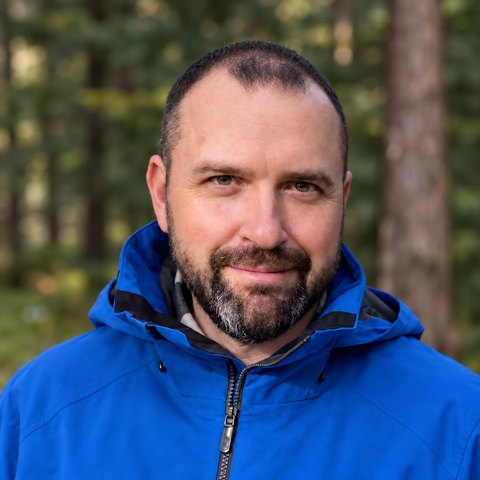 Luc Perreault
 Chris Pettingill
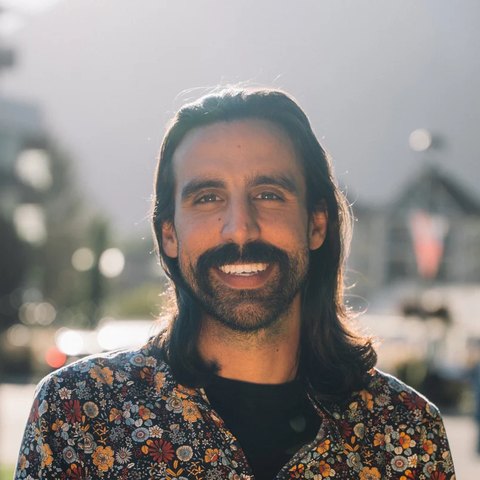 Daniel Deal
 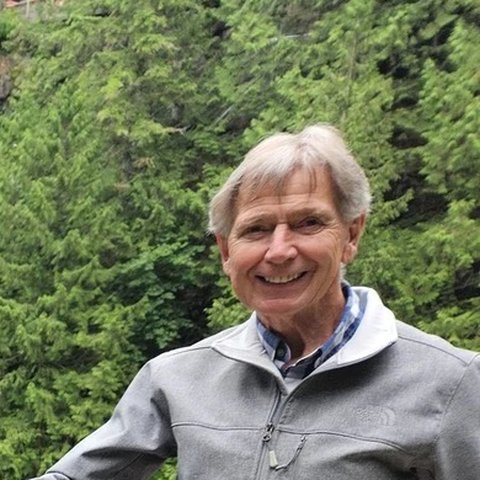 A. John Lowe
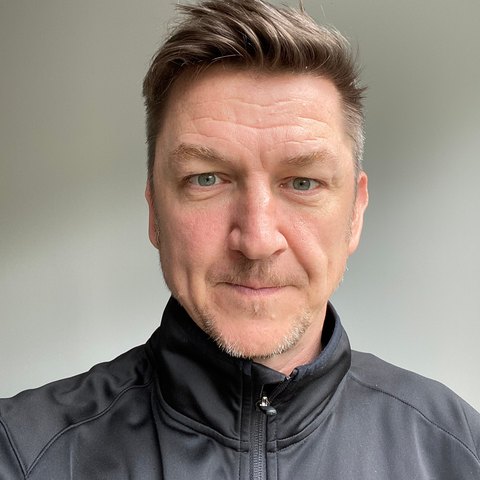 Shaun Veltkamp
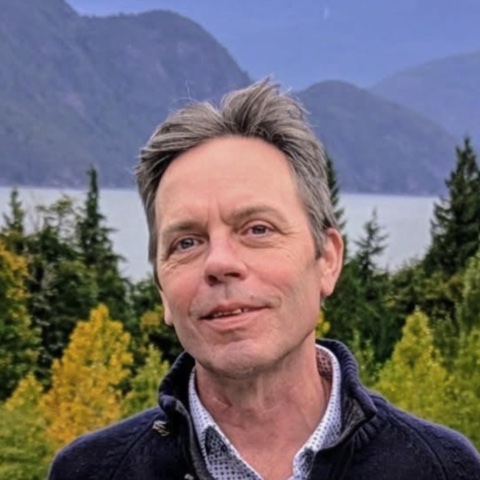 Chris Ryan
2 candidates haven’t said — show names
 Eric Andersen
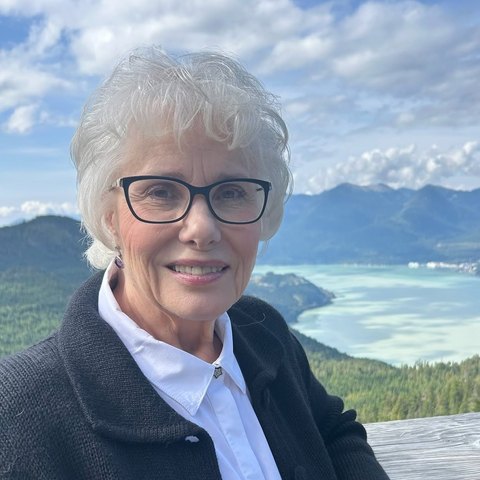 Janice DesJardins
- Daniel Deal (for mayor) In the middle
“Although this is not top on my priority list. This has been requested by several locals, and I would like to look into the viability of this before making a decision.”
- Sean Easton (for mayor) Somewhat agrees
“Regional transit could bring huge benefit to affordability and quality of life, but I'll push provincial and federal governments to contribute their fair share.”
- Jenna Stoner (for mayor) Strongly agrees
“Regional transit has been a part of my campaign platforms since 2018 and I've pushed on this directly with our regional partners ever since. While we have made some progress by establishing a regional transit committee and securing an MOU with the Province to advance funding models for the systemm, I'll be straight with you that it hasn't landed yet. A corridor this size without commuter service costs us in traffic and in household budgets.”
- Ian Brown Somewhat agrees
“We should get significant provincial funding for this.”
- A. John Lowe In the middle
“Right now there are ways and means being utilized that are far from perfect but fill the need. We are growing and this issue must be looked at not just from a use problem but a safety issue. I think there is room for a rider pay situation with possible private funding from employers requiring worker availability and safety.”
- Luc Perreault Somewhat agrees
“I support investing local tax dollars in regional transit because it has a direct benefit for Squamish residents. Better transit connections to Vancouver and Whistler could help workers, students, businesses, and visitors while reducing traffic on the Sea-to-Sky Highway. That said, regional transit is expensive and comes with challenges. Ridership is often heavier in one direction than the other, which can impact efficiency and operating costs. There are also practical considerations around comfort, luggage storage, bike capacity, and the type of service being offered. My approach would be to look for the most cost-effective solution possible. Before asking local taxpayers to shoulder the full burden, I would want to explore partnerships with the Province, BC Transit, neighbouring communities, major employers, and tourism organizations. If we can share costs and responsibilities, we have a much better chance of delivering a service that is affordable, sustainable, and available sooner rather than later. I believe regional transit is worth pursuing, but it needs to be done responsibly. We need a service that works for residents, makes financial sense, and provides long-term value to the community. As with any major investment, I would want to see a solid business case, realistic ridership projections, and a clear funding strategy before moving forward.”
- Laura Prosko Strongly agrees
“Regional Transit provides security and safety. We also need to look at access to the rail - like they do in Europe.”
- Chris Ryan Strongly disagrees
“Look, we need to impose a gas tax to pay for this transit and for tourism infrastructures. Simular to Translink, we currently pay the same gas price as Vancouver, instead of the gas station owners gauging us 19.5%,we take and use 15% for our community needs. Still leaves 4.5% to get screwed”
- Shaun Veltkamp In the middle
“I'm not entirely sure local dollars would be needed for this.”
Comments candidates added when answering our questionnaire, unedited.
“The District should spend local money on protected bike lanes and sidewalks.”
What does this mean?
Safer routes for walking and cycling, paid for from the local budget.
4 candidates haven’t said — show names
- Sean Easton (for mayor) Somewhat disagrees
“I'd put a moratorium on new active transportation upgrades until there's been real community engagement - residents are saying this is not a big priority for public funds while we have other pressing issues.”
- Jenna Stoner (for mayor) Strongly agrees
“This is about expanding choice, not restricting it. I own a vehicle, and I know a car is essential for many families here. A car is also one of the biggest costs in a household budget, and safe routes mean the people who want another option have one. It's important to note that the majority of the dollars spent on active transportation to date have come from provincial grants or developer contributions as opposed to local tax dollars.”
- Andrew Hamilton Strongly agrees
“They are way cheaper than roads. For each person who rides or walks to where they need to go, one more space opens up on the road for those who drive - either by choice or by necessity.”
- A. John Lowe Strongly disagrees
“Where necessary we already have lots of protected areas and some are over protected. What we need is rules for electric bikes that do 30km per hr on sidewalks and bike lanes endangering traffic and other bikers not electric. This is becoming a serious hazard to individuals and cars crossing roads only to see a bike on top of them that wasn't there an instant ago.”
- Anders Ourom Somewhat agrees
“The growing number of e-devices of all kinds provides a relatively economical and low-impact means of transport, especially for local trips. Safely integrating them into our network of roads, trails, and shared use paths is a priority.”
- Laura Prosko Strongly agrees
“Active transportation is essential but we need fiscal responsibility.”
- Chris Ryan Strongly agrees
“Also, the sidewalks and streetscape is being neglected with no maintenance. This is only going to cost 100x more to fix. We have bushes growing between the cracks of the sidewalks and street curbs. Weeds will deteriate concrete and pavements”
- Shaun Veltkamp Somewhat agrees
“Another item that is sorely needed in certain areas, but should be paid for as much as possible by DCCs and provincial and federal funding & grants where possible.”
Comments candidates added when answering our questionnaire, unedited.
What each candidate has said
Mayor candidates first, then council, in alphabetical order. Our summary of the public record; tap [source] to check it.
Daniel Deal (running for mayor)
Against spending local money on bike lanes ahead of recreation; in the middle on regional transit
Wants to build the parkade studied in 2020, funded by visitor-paid parking, with a free online permit for residents. He questions spending on some bike lanes and says cycling is not practical for many residents much of the year. His platform also promises 'transportation solutions that reduce congestion' without specifics. [source]
“It's not reasonable to ask someone who lives all the way out in Brackendale to ride their bike in the rain, to go to the farmer's market, to pick up a loaf of bread.”
Sean Easton (running for mayor)
For regional transit if senior governments pay their share; pause new bike-lane spending until residents are consulted
His platform promises to 'invest in modernized transport that meets our diverse needs' but gives no detail. [source]
“Invest in modernized transport that meets our diverse needs”
Jenna Stoner (running for mayor) · current councillor
Strongly for regional transit, and for local money for bike lanes and sidewalks
Lists transit expansion among issues she would press the province on and cites regional transit advocacy through her SLRD role. In a 2022 survey she committed to advocating for regional transit, investing in local transit and investing in active transportation networks. Parking was one of her most frequent motion topics on council. [source]
“Sitting at the SLRD table has allowed me to work with partners across the region on big issues that we know Squamish can't solve alone such as solid waste management, advocacy on regional transit, and regional growth management strategies.”
Eric Andersen · current councillor
Reduce commuting through local jobs; supports regional transit options; realistic about parking demand
In 2022 he backed regional transit options (including fast-ferry technology), said Squamish has diverse parking problems needing new facilities and enforcement, and proposed wood-built parkades designed for re-purposing. In 2025 he voted against removing parking minimums for six-unit lots near future frequent transit. No 2026 statement found. [source]
Ian Brown
Leans toward local money for regional transit, with major provincial funding; strongly against local money for protected bike lanes
Calls regional transit "such an easy solution": one bus to Lions Bay where riders transfer to West Vancouver transit, starting with talks with Lions Bay and corridor communities. Also lists traffic flow and parking as issues, without specifics. [source]
“I think we need one bus … if we can get people to Lions Bay, they can transfer to a West Vancouver bus and take it anywhere they want to go.”
Kieran Brownie
Leans toward local money for regional transit and for protected bike lanes and sidewalks
Says the biggest parking challenge is town hall's decision-making process, which leaves residents feeling unheard. Notes that routing everyone downtown puts residents in competition with visitors; would look to the waterfront development for parking capacity and strengthen everyday services in outlying neighbourhoods. Nothing found on regional transit or Highway 99. [source]
“I think the biggest challenge for parking right now is the decision-making process of town hall.”
Janice DesJardins
More downtown parking now; more frequent buses, evening/weekend service and express regional links
Says retail, medical-office and downtown employees need parking options immediately; would explore managing empty stalls in downtown residential buildings and on-street cafe stalls, via a stakeholder parking committee with one councillor. Lists transit as a key issue but has not yet published details. Her transit page calls for more frequent service on core routes, evening and weekend hours, coverage of newer neighbourhoods, better shelters and real-time arrival information, and exploring express regional connections with BC Transit and TransLink. She also wants new developments located and designed to support transit. [source]
“Retail employees, medical offices, and downtown employees all need parking options immediately.”
Sarah Ellis
Strongly for regional transit, bike lanes and sidewalks
Wants a community where it is easy to get around by car, bike, wheelchair or on foot, and lists parking and active transportation among policies that must keep pace with growth. [source]
“Where it's easy to get around by car, bike, wheelchair or on foot.”
John French · current councillor
Strong regional-transit advocate; active transportation; parking is a management problem
Wants regular corridor bus service from Mount Currie to West Vancouver and 15-minute local service, funded with provincial and federal help. Supports bike lanes and pedestrian safety, moved the 30 km/h downtown limit, and argues (citing Shoup and Grabar) that downtown has a parking-management problem and needs usage data. [source]
“A transit service from Mount Currie to West Vancouver was needed years ago.”
Sean Goodwin
Re-envision the road network; day-lot parking
Calls for re-envisioning roads given the single Highway 99 route and summer downtown congestion: open Bailey Street between Dentville and downtown (keeping rail tracks), build Whistler-style day lots, and push for moveable highway barriers for closures. Says a road bridge, not a pedestrian bridge, should have been the priority. [source]
“I think the road bridge should have been the focus because it accommodates pedestrians, bikes, vehicles, and it still serves the same neighbourhood that it serves now.”
Andrew Hamilton · current councillor
Strongly for regional transit, bike lanes and sidewalks
His most detailed issue: pay parking where demand is highest ('not a revenue thing'), revenue kept local, and no parking minimums. Usually rides an e-bike when working in town and supports bike infrastructure and more frequent transit. Voted against the Dec 2024 motion that set the 30 km/h downtown limit and asked staff to scope a 40 km/h limit elsewhere; his reasons were not found in the sources reviewed. [source]
“It's not a revenue thing. It's a management of the system.”
A. John Lowe
In the middle on local money for regional transit — suggests rider-pay and employer funding; strongly against local money for protected bike lanes
John had said little in public about this before answering our questionnaire. John’s own answers are below. [source]
Anders Ourom
Strongly for local money for regional transit; leans toward bike lanes and sidewalks, and fitting e-bikes and scooters in safely
Wants the District to lobby for workable transit to Vancouver, Whistler and Pemberton, by whatever mode is practicable. Downtown: a 30 km/h limit, repainted crosswalks, more frequent buses, more charging stations, and safely fitting e-bikes and scooters into sidewalks, roads and trails. [source]
“Lobby for workable transit to and from Vancouver, and to Whistler and Pemberton. Bus, train, ferry – whatever is practicable.”
Luc Perreault
Leans toward regional transit (with cost-sharing partners) and bike lanes and sidewalks
Will advocate for practical transportation solutions, stronger provincial coordination on highway safety and closures, and long-term planning that better connects Squamish with Whistler, Vancouver and the SLRD. [source]
“The next Council must keep regional transit, parking, active transportation, and highway reliability high on the agenda.”
Chris Pettingill · current councillor
Transit, active transportation and traffic calming; fewer parking mandates
Supports investing in transit and keeping fares low, lobbies the province for regional transit, and as SLRD director pushes decisions that avoid more Highway 99 congestion. Favours reduced parking requirements and, in 2022, flexible paid parking with revenue spent on downtown and transit; parking is one of his most frequent dissent topics. [source]
Laura Prosko
Strongly for regional transit, bike lanes and sidewalks — “but we need fiscal responsibility”
Calls active transportation 'fantastic' but says some residents need vehicles and street parking; suggests enhanced parking along Loggers Lane and opposes parking for developments. Platform also pledges to improve Sea to Sky corridor transit connectivity, accessibility, pedestrian safety and e-bike safety. [source]
“I believe there are some ways in downtown Squamish that we can use land planning differently, like, for example, along Loggers Lane, for enhanced parking, and we need to get back to those basics first and foremost.”
Chris Ryan
Against local tax dollars for regional transit (wants a local gas tax instead); for bike lanes and sidewalks
Pave and open Bailey Street as a second route into downtown; buy the Loggers Lane rail line to extend the bike lane and add permit parking; run a winter bus to Darrell Bay; work with neighbouring towns on Sea to Sky transit; keep heavy port cargo on rail rather than downtown roads. [source]
“One bad accident on Cleveland Avenue and traffic across the whole town grinds to a halt.”
Shaun Veltkamp
For bike lanes and sidewalks; lukewarm on paid parking downtown
Lists better bus service and safer roads as basics, and wants senior-government funding for an alternate access route to downtown. [source]