Compare the candidates
Pick an issue to see where everyone stands, side by side. Candidates for mayor are marked in yellow.
Stop building, build up, or build out?
The biggest question in Squamish: how should the town grow? We sorted each candidate by their main public position. Many candidates hold nuanced views, so read their profile for detail.
Slow down / rebalance (1)
Says growth is outpacing jobs, services and amenities, and is cautious about adding more density to existing neighbourhoods.
 Eric Andersen
Build up and fill in (4)
Prefers growth inside today’s town boundary — infill and more density near downtown and transit — rather than spreading onto new land. Some still vote against individual projects.
 Jenna Stoner
  John French
 Andrew Hamilton
 Chris Pettingill
Build out (2)
Open to new neighbourhoods and expanding the growth boundary onto new land, rather than densifying existing streets.
 Janice DesJardins
Grow, but infrastructure first (6)
Supports continued growth as long as roads, services and amenities keep pace. Has not picked a side on building up versus building out.
 Daniel Deal
  Sean Easton
  Sarah Ellis
 Luc Perreault
 Laura Prosko
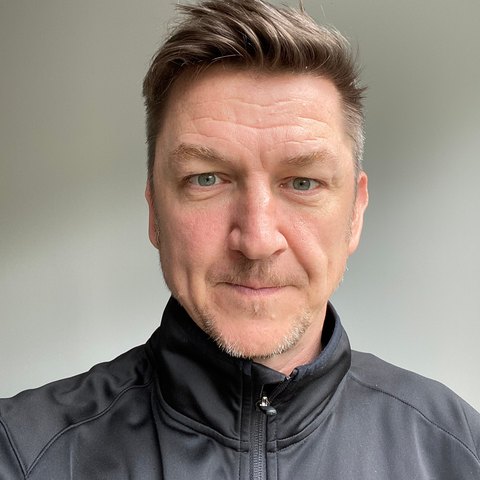 Shaun Veltkamp
No clear public position (5)
We could not find a clear public statement on how Squamish should grow.
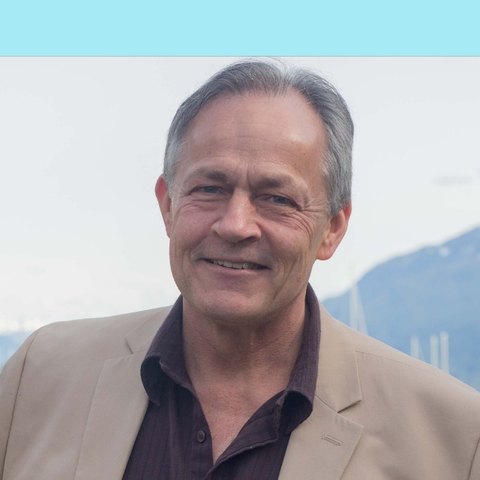 Ian Brown
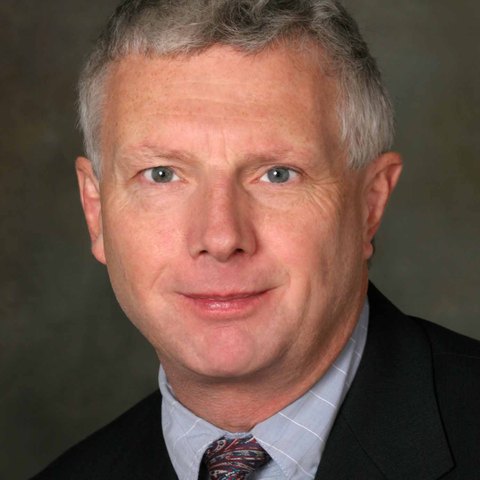 Anders Ourom
Growth & development
Squamish is one of the fastest-growing communities in B.C., and how fast and where it should grow is a long-running debate. The Province now requires municipalities to allow more homes on single-family lots (Bill 44) and has ordered Squamish to complete a minimum number of new homes by 2030, which limits how much council can slow growth even if it wanted to. More background
“Squamish is growing too fast. Council should slow the pace of new development approvals.”
8 candidates haven’t said — show names
“Taller buildings (above 6 storeys) should be allowed downtown and near transit and services.”
“Squamish should open new land and new neighbourhoods for housing, rather than adding density to existing ones.”
11 candidates haven’t said — show names
Read each candidate’s position on growth & development
| Candidate | Position |
|---|---|
| Daniel Deal for mayor | Managed mixSays Squamish is growing quickly and that many residents feel housing, infrastructure and municipal services are not keeping pace. [source] |
| Sean Easton for mayor | Managed mixSays growth has outpaced essential infrastructure and amenities and pledges to 'balance growth with what our environment can sustain.' He argues that adding supply alone has not made housing affordable. His non-profit DWIFT favours 'gentle densification' (low-rise apartments and townhomes). He has not called for a pause on approvals, nor taken a position on tall buildings or new greenfield neighbourhoods. [source] |
| Jenna Stoner for mayor | Build up (taller, denser in core)Accepts that growth will continue and wants to shape it: 'We can't stop that change' (Squamish Reporter, Sept 3, 2026). In 2022 she said she supports the OCP growth management boundary to focus growth within the existing footprint as compact, walkable communities, and pledged support for higher-density infill along transit. Caveat: no specific statement on building heights above six storeys was found, and the boundary statements date from 2022. [source] |
| Eric Andersen | Managed mixIn the 2022 election he answered a questionnaire from My Sea to Sky, an anti-LNG advocacy group, in his own words: he said he was supportive of the Cheema Lands and North Crumpit proposals, giving as his reason that Squamish has 'too many competing uses of scarce valley bottom lands' and 'must learn to build housing on upper slopes responsibly', and opposed to Garibaldi at Squamish because 'scale of proposed development is a big concern'. These are 2022 answers. [source] |
| Ian Brown | No public position found. |
| Kieran Brownie | No public position found. |
| Janice DesJardins | Build out (new neighbourhoods / greenfield)Wants high density placed in new developments rather than in established neighbourhoods that do not want it, and supports development outside the current OCP boundary to get off the flood plain onto higher ground. [source] |
| Sarah Ellis | Managed mixDescribes Squamish as a community in transition: growth has brought diversity, a stronger economy and a larger tax base, but she has heard worries that it is happening too fast. She wants council to be open to growth while ensuring policies and practices keep pace. No stated position on building heights or new neighbourhoods. [source] |
| John French | Managed mixPro-supply and comfortable with Squamish's shift to denser housing forms, driven in his words by finance and land scarcity; infill is 'a key goal'. He acknowledges room to expand outside the growth boundary but says it would be very costly. Has backed most development permits but balks at height where shadowing is severe. (In a 2022 advocacy-group survey he was listed as supportive of Cheema Lands, North Crumpit and Garibaldi at Squamish.) No statement specifically about buildings above six storeys was found: he has supported five- and six-storey downtown projects while opposing a large height variance in Valleycliffe on shadowing grounds, so his score on the taller-buildings statement is an inference from that pattern. [source] |
| Sean Goodwin | Build out (new neighbourhoods / greenfield)Says development can fund the infrastructure the town needs, points to the Cheema lands and Newport Ridge as opportunities, and thinks the growth management boundary should expand. [source] |
| Andrew Hamilton | Managed mixStates a general preference for infill density over greenfield sprawl and wants zoning that lets supply keep pace with demand. In practice he is a stickler for the zoned rules rather than a height opponent: he voted for the six-to-seven-storey Three Summits downtown development (Jan 2024) and seconded the six-unit transit-oriented zoning bylaw (Sept 2025), but voted against the seven-storey 38026 Second Avenue permit (June 2025) because it needed a height variance, saying council should stop granting height variances and change the zoning instead; he made the same point about the size, not the principle, of the Valleycliffe height variance. On the Garibaldi Estates pre-zoning (May 2026) he opposed three of the five bylaw votes and supported two, objecting to pre-zoning for densities staff said were not financially viable while stating he agreed with the neighbourhood plan itself. [source] |
| A. John Lowe | No public position found. |
| Anders Ourom | No public position found. |
| Luc Perreault | Managed mixDoes not call for slowing or for any particular built form. His focus is that growth must pay its fair share and that infrastructure keeps pace: stronger Community Amenity Contributions, better infrastructure coordination, and public spaces and services for all ages. [source] |
| Chris Pettingill | Grow inside the boundary — density downtown and near transit, no sprawlWants Squamish to meet provincial housing targets by adding density inside the existing growth boundary rather than expanding onto new land: “We can’t put a barricade on the highway.” He is council’s second most frequent dissenter on development items, but those votes are mostly about parking, employment space and amenities rather than height — on the seven-storey 38026 Second Avenue permit he said he was fine with the height and voted no over the cut to required employment space. [source] |
| Laura Prosko | Managed mixFrames her approach as 'balanced' and 'responsible' growth: fast-track rental, workforce and missing-middle housing while catching up on core infrastructure and leading a thorough OCP review. No stated position on building heights or greenfield expansion. [source] |
| Chris Ryan | No public position found. |
| Shaun Veltkamp | Managed mixSays rapid growth has brought 'real pressure on housing, infrastructure, and the character of the community'; wants the OCP reviewed and refocused and infrastructure put first, while supporting 'sensible density near transit'. Does not call for a pause, and gives no position on building heights or greenfield expansion. [source] |
Housing affordability
Squamish is one of the most expensive places to live in B.C.: home prices rival Metro Vancouver's and the local 'living wage' is the second highest in the province. Building more market housing does not by itself produce homes that lower- and middle-income workers can afford, so attention falls on non-market (non-profit, below-market) housing. More background
“The District should put more public money and land into non-market and below-market housing.”
10 candidates haven’t said — show names
Read each candidate’s position on housing affordability
| Candidate | Position |
|---|---|
| Daniel Deal for mayor | More supply, faster approvals, District-owned workforce housingPlatform calls for a wider range of housing (rentals, townhomes, apartments, starter homes), faster municipal approvals, and workforce housing. He told the Squamish Chief he wants District-owned, communal-style workforce housing. No stated position on DCCs/ACCs, inclusionary zoning or the housing society. [source] |
| Sean Easton for mayor | Non-profit, at-cost and below-market housing; use public landHousing is his professional field. He co-founded DWIFT Housing Society to build homes and sell them at cost (reported in 2024 as 25-30% below market) to middle-income households, and DWIFT sought District land on Pioneer Way for that purpose. His platform promises 'housing that locals can afford throughout their lives.' No stated position on DCCs/ACCs or inclusionary zoning. [source] |
| Jenna Stoner for mayor | Pro non-market housing through partnerships; has balanced it against infrastructure fundingCampaigns on 446 below-market homes built during her eight years (300+ more coming) and sits on the Housing Squamish board. She says pre-zoning alone won't deliver housing for extreme core need or homelessness and that 'other partnership and other models' are needed. She also defended selling District land on Pioneer Way to fund core infrastructure rather than reserving it all for affordable housing, and says amenity contributions could now shift toward recreation and culture. [source] |
| Eric Andersen | Negotiate affordable units, cut developer process costs, lobby senior governmentsIn 2022 he called for continued negotiation of affordable units with the Housing Society involved, lower processing and transaction costs for developers, construction innovation (including wood products) and much more advocacy to senior governments. No 2026 campaign statement on housing found. [source] |
| Ian Brown | Creative, lower-cost options (rentals, co-living)Calls for "creative solutions": new rental options, co-living under $1,500/month and family-oriented housing communities. Notes much of housing is provincial jurisdiction and positions himself as an advocate. No stated position on the housing society, DCCs/ACCs or inclusionary zoning. [source] |
| Kieran Brownie | Renter's voice; partnership with Squamish Nation over senior-government grantsRuns as a longtime renter under the pillar 'space to live'. Says there is no quick fix and that the long-term answer lies within the valley, through a strong working relationship with Squamish Nation, rather than in grant applications to Victoria or Ottawa. No stated position on the housing society, DCCs/ACCs or inclusionary zoning. [source] |
| Janice DesJardins | Land bank for employee and housing-society housing (Whistler model)Says Squamish has done the paperwork on affordable housing but barely delivered, and that zoning reform alone does not make anything affordable. Wants a land bank, possibly from Crown land, for employee housing, co-op style ownership and housing society projects, citing Whistler. [source] |
| Sarah Ellis | Strong supporter of non-market / affordable housing (it is her profession)Runs on her record as the first Executive Director of Housing Squamish, where her campaign says she helped bring over $17M in funding and financing to protect and expand affordable housing. In that role she asked council in May 2026 to maintain its $500,000 annual operating contribution, arguing the District's $2M had leveraged $17.5M in partner investment. No campaign statement found on DCCs/ACCs or inclusionary zoning specifically. [source] |
| John French | More supply, faster permits, diverse forms, plus the housing societyFrames affordability as demand exceeding supply. Wants developers treated as partners, cost-effective permitting with monitored wait times, and more ADUs, suites and tiny homes; supports the housing society creating below-market workforce housing. [source] |
| Sean Goodwin | No public position found. |
| Andrew Hamilton | Supply through zoning; reduce parking mandates that raise housing costsSees zoning as council's most direct long-term lever and frames affordability as high demand meeting limited land. Argues removing parking minimums would relieve pressure on housing costs. No public statement found on the housing society, DCCs/ACCs or inclusionary zoning. [source] |
| A. John Lowe | No public position found. |
| Anders Ourom | No public position found. |
| Luc Perreault | No public position found. |
| Chris Pettingill | Strong supporter of non-market housing; leans toward deeper subsidiesBacks the Squamish Housing Society as workforce 'middle housing', waived DCCs/fees for affordable projects, and amenity policies that extract more affordable units and childcare. Says that as the province falls short, council may need to consider deeper subsidies, and that he personally leans that way while wanting community input on the trade-off. [source] |
| Laura Prosko | Attainable housing via senior-government partnerships and faster approvalsWould lobby senior governments for funding partnerships for attainable housing, develop a Workforce Housing Strategy, and fast-track permits/zoning for rental, workforce and missing-middle housing. Wants the perpetually affordable housing policy reviewed so people don't lose housing if they stop working in town. No statement found on DCCs/ACCs, inclusionary zoning or the Squamish Community Housing Society. [source] |
| Chris Ryan | No public position found. |
| Shaun Veltkamp | More attainable housing, density near transit, renter protectionsSays workers and families are being priced out and calls for more attainable housing options, sensible density near transit and protections for renters. No detail found on non-market housing funding, the Squamish Community Housing Society, DCCs/ACCs or inclusionary zoning. [source] |
Homelessness & supportive housing
The number of people without housing in Squamish has grown, and a visible encampment downtown (near Main Street and Third Avenue, close to the Under One Roof shelter) has become a flashpoint for both compassion and safety concerns. Housing and shelters are funded by the Province through BC Housing, but the municipality decides on land, leases and bylaw enforcement, and courts have limited how cities can clear encampments when there is not enough shelter space. More background
“Squamish needs more shelter and supportive-housing spaces, even if they are located near residential areas.”
“The Under One Roof shelter and its services should be moved out of downtown.”
No candidate has addressed this publicly yet. We have put the question to all 18 of them — answers will appear here as they come in.
“The District should clear tent encampments from public spaces, even when there is nowhere else for those people to go.”
No candidate has addressed this publicly yet. We have put the question to all 18 of them — answers will appear here as they come in.
Read each candidate’s position on homelessness & supportive housing
| Candidate | Position |
|---|---|
| Daniel Deal for mayor | No public position found. |
| Sean Easton for mayor | No specific Squamish policy found; career in youth homelessness servicesHe leads Zero Ceiling, which provides supportive housing and employment to young adults facing homelessness in the Sea to Sky. However, no public statement was found on Squamish shelters, the Government Road supportive housing, Under One Roof, encampments or vehicle residents. [source] |
| Jenna Stoner for mayor | Supports supportive and bridge housing; multi-agency task force; human-centred approachSupported the 60-year lease for 65 supportive housing units on Government Road and described BC Housing's proposed temporary HEARTH units as needed bridge housing, while moving a motion to bring BC Housing to a public meeting to answer location concerns. As mayor she would consider a mayor's task force on the unhoused and street disorder and explore safe lots/permits for vehicle residents. [source] |
| Eric Andersen | Voted for Government Road supportive housing lease; stresses neighbour relations and designPart of the unanimous July 2026 vote endorsing a 60-year lease for 65 supportive homes at 39900 Government Road. He raised nearby residents' concerns, said relationship-building with neighbours is central, and asked for aesthetics similar to Spirit Creek. No broader public statement on encampments found. [source] |
| Ian Brown | No public position found. |
| Kieran Brownie | No public position found. |
| Janice DesJardins | Opposed mixing seniors with mental-health/addictions clients in the Government Road supportive housing proposalIn a July 2025 letter she said she supports safe, affordable housing for people in need, including people experiencing homelessness, but called it a 'grave mistake' to house vulnerable seniors with people who may be actively struggling with serious mental-health and substance-use disorders, and argued addictions care needs specialized, secure facilities. No 2026 campaign statement on shelters or encampments found. [source] |
| Sarah Ellis | No public position found. |
| John French | Housing and health care first; also wants encampment complaints resolvedCalls helping unhoused people downtown with mental-health struggles the biggest challenge of the next four years. Voted for the Government Road supportive-housing lease. In a 2025 blog post he described frustration at the lack of action on the camp behind Under One Roof and personally working to get one camper into housing. [source] |
| Sean Goodwin | Move Under One Roof out of downtownIn his Squamish Chief candidate profile (Sept. 16, 2026) Goodwin said explicitly that he would move the Under One Roof shelter out of the downtown core and relocate it elsewhere in Squamish, suggesting the business park as an alternative. The Chief's own standfirst describes him as running in part on "moving homelessness services out of downtown." [source] |
| Andrew Hamilton | Voted for supportive housing; asks residents to propose alternative sites rather than only objectPart of the unanimous July 2026 vote for the Government Road supportive-housing lease, where he questioned BC Housing on building trust with the community. On the temporary housing site for the downtown encampment he urged residents to suggest alternatives once a site is announced. [source] |
| A. John Lowe | No public position found. |
| Anders Ourom | No public position found. |
| Luc Perreault | No public position found. |
| Chris Pettingill | Supportive housing and provincial programs; opposes a permit system for vehicle dwellers and says a municipal safe lot is not a priorityLists the Government Road supportive housing approval and HEART & HEARTH acceptance among his accomplishments and lobbies the province on homelessness, addictions and mental health through the LMLGA. For people living in vehicles he prioritises affordable and supportive housing, opposes a permit system, says a municipal safe lot is not a priority, and suggests church parking lots could help. [source] |
| Laura Prosko | General support for vulnerable residents; no specificsPlatform promises a Squamish Poverty Reduction and Affordability Strategy, 'stronger mental health supports' and to 'support vulnerable people in accessing the help and services they need'. No statement found on shelters, supportive housing, Under One Roof or encampments. [source] |
| Chris Ryan | No public position found. |
| Shaun Veltkamp | No public position found. |
Policing & community safety
Squamish is policed by the RCMP under a contract, and the municipality pays most of the bill. Under the RCMP cost-sharing formula, B.C. More background
“Squamish should fund more RCMP officers and policing.”
No candidate has addressed this publicly yet. We have put the question to all 18 of them — answers will appear here as they come in.
Read each candidate’s position on policing & community safety
| Candidate | Position |
|---|---|
| Daniel Deal for mayor | No public position found. |
| Sean Easton for mayor | No public position found. |
| Jenna Stoner for mayor | No public position found. |
| Eric Andersen | No public position found. |
| Ian Brown | No public position found. |
| Kieran Brownie | No public position found. |
| Janice DesJardins | No public position found. |
| Sarah Ellis | No public position found. |
| John French | No public position found. |
| Sean Goodwin | No public position found. |
| Andrew Hamilton | No public position found. |
| A. John Lowe | No public position found. |
| Anders Ourom | No public position found. |
| Luc Perreault | No public position found. |
| Chris Pettingill | Sceptical of using police for mental-health and social needs (2020); no recent statement foundIn 2020 he was the lone vote against receiving the RCMP budget report, arguing the province's retreat had forced municipalities to handle mental health and social services through policing, which he called often ineffective. No 2022-2026 statement on RCMP staffing found; his 'Safety & Security' plank is about emergency readiness, flood protection and traffic calming. [source] |
| Laura Prosko | Supports RCMP and emergency servicesPlatform says she will 'prioritize community safety and support RCMP, fire rescue, emergency services and stronger mental health supports'. No specific position found on officer counts, RCMP budget or bylaw enforcement. [source] |
| Chris Ryan | No public position found. |
| Shaun Veltkamp | No public position found. |
Taxes & spending
Property taxes are, with recreation facilities, the top issue for readers surveyed by the Squamish Chief. In January 2026 council unanimously adopted the District's first 10-year financial plan, which raised the amount collected from property taxes by 12.8% in 2026 and projects about 13% more in each of 2027 and 2028, averaging 8.3% a year over the decade. More background
“Keeping property tax increases at or below inflation should be a top priority, even if it means cutting services or delaying projects.”
9 candidates haven’t said — show names
“Major recreation investments, like renewing Brennan Park, should go ahead even if the District has to borrow.”
Read each candidate’s position on taxes & spending
| Candidate | Position |
|---|---|
| Daniel Deal for mayor | One-year property tax freeze; essentials firstProposes a one-year moratorium on property tax increases, prioritizing essential services and infrastructure before discretionary spending, publishing performance measures, and more transparency on major projects. Asked where he would cut, he pointed to certain bike lanes. He also wants Brennan Park to get more attention and to unbundle construction contracts. [source] |
| Sean Easton for mayor | Freeze property taxes for 2027; outcome-focused, transparent spendingPledges to freeze property taxes for 2027 and 'spend your dollars transparently and thoughtfully.' He criticizes the 12.8% 2026 tax increase, questions whether $21M spent at Brennan Park met residents' most pressing needs, and says the last two District capital projects ran more than $20M over budget. He also wants new recreation amenities, ideally funded through a renegotiated WLNG deal; he has not said what he would cut to fund the freeze. [source] |
| Jenna Stoner for mayor | Infrastructure-first investment; zero-based budgeting; no tax freeze pledgedSupported the District's first 10-year financial plan (adopted unanimously; it projected tax increases of about 13% in 2027 and 12.9% in 2028) and adding WLNG tax revenue to asset-management reserves. She defends spending on fire halls, the public works facility and wastewater plant, and now promises zero-based budgeting while making room for amenities like Brennan Park. [source] |
| Eric Andersen | Grow the industrial/business tax base to relieve residential taxpayers; plan facilities before funding themVoted with the rest of council to adopt the 2026-2035 financial plan (12.8% tax revenue increase for 2026). His long-standing argument is that Squamish over-relies on residential taxes and needs a bigger employment and industrial tax base. On facilities he stresses having updated plans ready for outside funding. [source] |
| Ian Brown | Flags high taxes; backs rec expansion via partnershipsLists high property taxes as an issue and talks of "responsible fiscal management", while supporting an expanded recreation centre, second rink and bigger pool. Would investigate private and public-private partnerships to pay for recreation. No specific tax target stated. [source] |
| Kieran Brownie | Industrial tax base needed to keep pressure off residentsFrames Squamish's revenue problem as inherited: BC towns were built on industrial tax bases, and pushing industry out leaves a gap residents must cover. Prefers community-built recreation initiatives and keeping recreation revenue local over funding everything from the municipal budget. No specific tax target stated. [source] |
| Janice DesJardins | Strive for zero property tax increases; limit debt; referendums on big projectsCalls for spending discipline, zero-based budgeting, needs over wants, market value for District land sales, limits on new debt and referendums on major capital projects. Asked by the Chief what she would cut to reach zero, she said she was not sure yet and that an inventory of all spending was needed. [source] |
| Sarah Ellis | More transparency on where tax dollars go; no tax target statedAsked about rising property taxes, she said residents have questions about where their money is going and that council can bring more visibility to spending and results. She has not committed to a tax freeze or a specific cap, and acknowledges trade-offs and real constraints on local government. [source] |
| John French | Voted for the 2026 budget but says projected increases are too high; wants zero-based budgetingSupported the 2026-2035 financial plan (12.8% 2026 increase) while warning it would push some residents out of Squamish. For 2026 he says the five-year projected increases are too high and wants the next council to discuss zero-based budgeting; for Brennan Park he points to grants, reserves, community fundraising and private partnerships. [source] |
| Sean Goodwin | Fiscal responsibility; more revenue from industrySays his purchasing career keeps him focused on fiscal responsibility. As a renter he admits he doesn't know a lot about property taxes, but thinks revenue should come from industry such as Woodfibre LNG. The Chief reports he sees the Bosa/Kingswood pedestrian bridge as a long-term cost burden through operating and maintenance costs. [source] |
| Andrew Hamilton | Accepts increases if money is spent efficiently; strict on project costing and permissive tax exemptionsVoted for the 2026-2035 plan despite misgivings about absorbing capital cost overruns. Names reforming how property tax rates are calculated as his top accomplishment, has the most property-tax dissents on council (mostly against permissive exemptions), moved a failed 2025 amendment to cut the Brennan Park line item, and warns projects such as the Pemberton-Laurelwood bridge are under-costed. [source] |
| A. John Lowe | No public position found. |
| Anders Ourom | Restore financial balance, then plan civic facility renewalDescribes the District's financial situation as tough and wants to steer council toward 'balance' to regain flexibility. Also wants a solid plan for renewing the civic centre (possibly full replacement), arts and culture facilities and a new town hall. No specific position found on tax rates, borrowing or Brennan Park. [source] |
| Luc Perreault | Core services first; fiscally responsible governanceWants an urgent pivot to core municipal services and 'fiscally responsible governance', and wants residents to understand what major decisions cost and how they affect taxes. Also supports investment in roads, utilities, public spaces and recreation facilities. No specific position found on tax-increase targets, borrowing, or named projects such as Brennan Park. [source] |
| Chris Pettingill | Accepts higher taxes to fix the infrastructure deficitVoted for the 2026-2035 plan and said earlier years of below-average increases made the 12.8% jump sharper - steadier 8-9% increases might have been better. Campaigns on the $37.8M public works facility, $19.5M+ diking and $21M wastewater upgrades. Open to a recreation-centre P3 but says willing partners are hard to find. [source] |
| Laura Prosko | Two-year property tax freezeCalls for a property tax freeze in 2027 and 2028, focusing spending on core services and balanced budgets, with infrastructure paid for through efficiencies, senior-government grants and public-private partnerships. Still wants Brennan Park expansion treated as urgent. Promises a capital-projects dashboard and annual Budget Town Hall. [source] |
| Chris Ryan | No public position found. |
| Shaun Veltkamp | Responsible spending; seek senior-government money for big projectsEmphasizes taxpayer dollars spent responsibly, clear priorities, and cost-benefit evaluation before major decisions; wants provincial and federal funding pursued for a new community centre, hospital and alternate downtown access. No position found on property tax rates or borrowing. [source] |
Environment & Woodfibre LNG
Woodfibre LNG is building a liquefied natural gas export plant on Howe Sound about 7 km from downtown, fed by a new FortisBC pipeline; it was approved by senior governments and the Squamish Nation, not by council, and remains divisive locally. Council's real levers are land-use permits (such as the 'floatel' worker housing) and how the plant is taxed. More background
“The District should take a tough line on Woodfibre LNG and its impacts.”
8 candidates haven’t said — show names
“Climate action should be a top council priority, even when it adds cost.”
Read each candidate’s position on environment & woodfibre lng
| Candidate | Position |
|---|---|
| Daniel Deal for mayor | Not against the WLNG plant; opposes the proposed 10-year financial dealUrges council to vote no on the proposed 10-year WLNG agreement, arguing the payment is too small relative to the company's revenue, inflation will erode it, it limits future councils' ability to tax industry, and the vote is rushed before the election. He says he is not against the plant itself and wants to work with the company. No stated positions on climate action, the estuary or wildfire; he works in the carbon capture industry. [source] |
| Sean Easton for mayor | Vote no on the proposed WLNG deal; renegotiate with public input; add environmental monitoringIn a Sept 14, 2026 op-ed he asked council to reject the proposed 10-year WLNG agreement, saying about $14M a year is not enough to leave a lasting asset, the money should be committed to a community-selected legacy project, and the pre-election timeline shuts out the public. He wants robust environmental monitoring of WLNG. He has not said he opposes the plant itself; no specific positions found on climate policy, the estuary or wildfire. [source] |
| Jenna Stoner for mayor | Opposes WLNG in principle; pragmatic about securing benefits; climate action a priorityAdd: 'She also voted IN FAVOUR of FortisBC's workers' lodge temporary use permit in 2024, which council rejected 4-3.' And change '15 of 16 climate commitments in a 2022 survey' to '15 of 16 climate commitments in the 2022 candidate survey run by My Sea to Sky, an advocacy group opposed to Woodfibre LNG'. [source] |
| Eric Andersen | Pro-permit on Woodfibre LNG; climate action via local jobs, wood construction and adaptation... In 2022 he framed forestry and wood products as 'green tech' and climate action. In the same 2022 My Sea to Sky survey that records his support for Cheema Lands and North Crumpit, he also committed to 14 of the group's 16 climate actions - including advocating that the province let local governments ban new gas hookups, protecting natural assets, a biodiversity conservation strategy and adopting the doughnut-economics model - declining only the fossil fuel non-proliferation treaty and Sue Big Oil. [source] |
| Ian Brown | Protect nature; emergency preparedness. No Woodfibre LNG position foundSays the natural environment must be protected and accessible to all, and that wildfire and flood preparedness and the evacuation plan need serious attention and better communication. No public statement found on Woodfibre LNG, FortisBC or climate policy. [source] |
| Kieran Brownie | No firm position on the WLNG tax deal; raised floatel habitat concerns in 2024Declined to take a firm position on the proposed Woodfibre LNG-District tax agreement, noting it will not come to the next council unless it collapses, but offered that it protects the District if WLNG does poorly and protects the company if it does very well. At the April 2024 floatel public hearing he raised concern about herring spawning habitat near the ship. No climate-policy statement found. [source] |
| Janice DesJardins | Renegotiate the WLNG tax deal for more money; sees WLNG as the town's only economic engineDoes not support the Woodfibre LNG 10-Year Agreement in Principle, saying more money could be negotiated and a new council should reset the relationship, while describing WLNG as currently Squamish's one and only economic engine that the town has to work with. Past volunteer on the Squamish Estuary Management Plan. No climate-policy statement found. [source] |
| Sarah Ellis | No public position found. |
| John French | Pro-permit on Woodfibre LNG; environment protected through infill and transitIn a 2022 candidate survey run by My Sea to Sky (an advocacy group opposed to the project) he answered that he was 'supportive' of Woodfibre LNG, the FortisBC pipeline, the workcamp and the floatel, writing that 'Canadian energy is ethically produced' and that Canada should 'share its energy wealth.' On council he voted for the WLNG floatel permit in April 2024 (one of three in a 3-4 defeat), saying 'Denying this permit is not going to stop the project that's currently under construction'; moved the July 2025 two-year approval and voted against Coun. Stoner's successful shore-power amendment to it; and voted for the FortisBC workers' lodge permit. Counter-signal: he voted in favour of joining Sue Big Oil at the Oct 24, 2023 committee vote. His platform calls the environment one of Squamish's best assets, protected by smart planning and infill. [source] |
| Sean Goodwin | Approve the District-Woodfibre LNG agreementThinks the current proposal between the District and Woodfibre LNG should be approved, while saying he cannot tell whether it is a good or bad deal and that getting more would be ideal. No statements found on climate action, the estuary or wildfire. [source] |
| Andrew Hamilton | Swing vote on Woodfibre LNG; climate action through enabling individual choicesThe only member to vote against both denying and approving the floatel in April 2024 (he wanted a security deposit nearer $10M), then voted to reconsider and voted for the two-floatel permit in 2025; voted against the FortisBC lodge permit and against joining Sue Big Oil. Says climate change is human-caused and council's role is infrastructure that lets people choose lower-carbon options. On WLNG money, says the town has many capital needs to prioritise. [source] |
| A. John Lowe | No public position found. |
| Anders Ourom | No public position found. |
| Luc Perreault | No public position found. |
| Chris Pettingill | Council's most consistent Woodfibre LNG and fossil-gas critic; climate action centralSeconded the 2024 motion to deny the floatel, voted against approval in 2024 and 2025 (seeking a dam assessment and a shorter permit), voted against the FortisBC lodge and for Sue Big Oil. He says his climate objections are separate from the proposed WLNG tax agreement, which should be judged on fairness to other taxpayers. Platform stresses FireSmart, diking and flood management. [source] |
| Laura Prosko | Partnership with Woodfibre LNG / FortisBC; wants a better financial dealA former Woodfibre LNG stakeholder/Indigenous/government relations lead (2020-May 2025). Wants a stronger 10-year financial agreement, a 40-year operations-long MOU, legacy projects, a Squamish Nation-held liaison role, and says the current tax/community contribution agreement should wait until after the election. Says economic growth and environmental stewardship 'must go hand in hand' with 'strong environmental oversight and accountability'; also pledges stronger emergency and flood preparedness. No specific climate-action or floatel position found. [source] |
| Chris Ryan | No public position found. |
| Shaun Veltkamp | Protect natural environment; no LNG position foundSays responsible development must protect the natural environment and maintain public access to the outdoors. No public statement found on Woodfibre LNG, FortisBC, climate action, the estuary or wildfire. [source] |
Transportation & transit
Inside town, Squamish's BC Transit bus system has been expanding, partly paid for by local property taxes. What Squamish still lacks is any public bus to Vancouver or Whistler; only private coaches run, and a regional service studied since 2017 has stalled over who pays and who governs it. More background
“Regional transit to Vancouver and Whistler is worth spending local tax dollars on.”
Read each candidate’s position on transportation & transit
| Candidate | Position |
|---|---|
| Daniel Deal for mayor | Build a downtown parkade; free parking for locals, paid for visitors; skeptical of some bike lanesWants to build the parkade studied in 2020, funded by visitor-paid parking, with a free online permit for residents. He questions spending on some bike lanes and says cycling is not practical for many residents much of the year. His platform also promises 'transportation solutions that reduce congestion' without specifics. No position found on regional transit. [source] |
| Sean Easton for mayor | 'Modernized transport' (no specifics)His platform promises to 'invest in modernized transport that meets our diverse needs' but gives no detail. No stated position found on regional transit, Highway 99, parking or active transportation. [source] |
| Jenna Stoner for mayor | Advocate for regional transit and transit expansion; supports active transportationLists transit expansion among issues she would press the province on and cites regional transit advocacy through her SLRD role. In a 2022 survey she committed to advocating for regional transit, investing in local transit and investing in active transportation networks. Parking was one of her most frequent motion topics on council, but no current campaign position on paid parking or a parkade was found. [source] |
| Eric Andersen | Reduce commuting through local jobs; supports regional transit options; realistic about parking demandIn 2022 he backed regional transit options (including fast-ferry technology), said Squamish has diverse parking problems needing new facilities and enforcement, and proposed wood-built parkades designed for re-purposing. In 2025 he voted against removing parking minimums for six-unit lots near future frequent transit. No 2026 statement found. [source] |
| Ian Brown | Pro regional transit (start with one bus to Lions Bay)Calls regional transit "such an easy solution": one bus to Lions Bay where riders transfer to West Vancouver transit, starting with talks with Lions Bay and corridor communities. Also lists traffic flow and parking as issues, without specifics. [source] |
| Kieran Brownie | Parking is a process failure; spread services beyond downtownSays the biggest parking challenge is town hall's decision-making process, which leaves residents feeling unheard. Notes that routing everyone downtown puts residents in competition with visitors; would look to the waterfront development for parking capacity and strengthen everyday services in outlying neighbourhoods. Nothing found on regional transit or Highway 99. [source] |
| Janice DesJardins | More downtown parking options now; transit position to comeSays retail, medical-office and downtown employees need parking options immediately; would explore managing empty stalls in downtown residential buildings and on-street cafe stalls, via a stakeholder parking committee with one councillor. Lists transit as a key issue but has not yet published details. [source] |
| Sarah Ellis | Easy to get around by all modes; active transportation keeps pace with growthWants a community where it is easy to get around by car, bike, wheelchair or on foot, and lists parking and active transportation among policies that must keep pace with growth. No stated position on regional transit or Highway 99. [source] |
| John French | Strong regional-transit advocate; active transportation; parking is a management problemWants regular corridor bus service from Mount Currie to West Vancouver and 15-minute local service, funded with provincial and federal help. Supports bike lanes and pedestrian safety, moved the 30 km/h downtown limit, and argues (citing Shoup and Grabar) that downtown has a parking-management problem and needs usage data. [source] |
| Sean Goodwin | Re-envision the road network; day-lot parkingCalls for re-envisioning roads given the single Highway 99 route and summer downtown congestion: open Bailey Street between Dentville and downtown (keeping rail tracks), build Whistler-style day lots, and push for moveable highway barriers for closures. Says a road bridge, not a pedestrian bridge, should have been the priority. No statement found on regional transit. [source] |
| Andrew Hamilton | Market-based parking reform; supports cycling and transit; voted against the 30 km/h downtown zoneHis most detailed issue: pay parking where demand is highest ('not a revenue thing'), revenue kept local, and no parking minimums. Usually rides an e-bike when working in town and supports bike infrastructure and more frequent transit. Voted against the Dec 2024 motion that set the 30 km/h downtown limit and asked staff to scope a 40 km/h limit elsewhere; his reasons were not found in the sources reviewed. No statement found on regional transit funding. [source] |
| A. John Lowe | No public position found. |
| Anders Ourom | Parking is a problem downtown and at parksSays parking needs to be addressed not just downtown but in other areas including parks, and would be strict about parking variances. No statement found on regional transit, Highway 99 or active transportation; his Smoke Bluffs letter accepts bikes on the park's commuter route only. [source] |
| Luc Perreault | Keep regional transit, parking, active transport and Hwy 99 high on the agendaWill advocate for practical transportation solutions, stronger provincial coordination on highway safety and closures, and long-term planning that better connects Squamish with Whistler, Vancouver and the SLRD. Does not say how regional transit should be funded. [source] |
| Chris Pettingill | Transit, active transportation and traffic calming; fewer parking mandatesSupports investing in transit and keeping fares low, lobbies the province for regional transit, and as SLRD director pushes decisions that avoid more Highway 99 congestion. Favours reduced parking requirements and, in 2022, flexible paid parking with revenue spent on downtown and transit; parking is one of his most frequent dissent topics. [source] |
| Laura Prosko | More downtown parking; improve corridor transit and pedestrian/e-bike safetyCalls active transportation 'fantastic' but says some residents need vehicles and street parking; suggests enhanced parking along Loggers Lane and opposes parking variances for developments. Platform also pledges to improve Sea to Sky corridor transit connectivity, accessibility, pedestrian safety and e-bike safety. No position found on how regional transit should be funded. [source] |
| Chris Ryan | No public position found. |
| Shaun Veltkamp | Better bus service, safer roads, alternate downtown accessLists better bus service and safer roads as basics, and wants senior-government funding for an alternate access route to downtown. No position found on regional transit funding, Highway 99 or parking. [source] |
Jobs & local economy
Many Squamish residents commute out of town for work, so creating local jobs is a recurring goal. That requires land and buildings for businesses ('employment lands'), which compete with housing for scarce flat, flood-safe land; council set a goal of a net increase in employment space by September 2026. More background
“The District should cut red tape and speed up permits for builders and businesses.”
11 candidates haven’t said — show names
Read each candidate’s position on jobs & local economy
| Candidate | Position |
|---|---|
| Daniel Deal for mayor | Opportunity for young workers and tradespeople; spread District contracts among local tradesFrames his campaign around keeping young workers, families, entrepreneurs and tradespeople in town. Concrete proposals are workforce housing, unbundling District construction contracts so multiple trades share the work, and enforcing Community Benefit Agreements on major projects. No stated position on employment lands, tourism or downtown business. [source] |
| Sean Easton for mayor | Support local business; make big industry contribute fairlyPlatform pledges to 'support local businesses to thrive' and to 'ensure big business and industry fairly and transparently contribute to our community.' He points to the forestry era as a lesson that industry revenue must leave lasting community assets. No stated position on employment lands, tourism or downtown. [source] |
| Jenna Stoner for mayor | Support small business and community organizations; economic diversificationHer priorities page talks about 'supporting the people, small businesses, and community organizations that make Squamish awesome,' and in March 2026 she listed economic growth and diversification among the top issues facing Squamish. No detailed campaign proposals on employment lands, tourism or downtown were found. [source] |
| Eric Andersen | Jobs-first: protect employment lands and build sector strategiesHis signature issue. Wants land-use strategies for forestry, wood manufacturing, port lands, tourism and logistics, and warns that re-zoning former industrial land has left Squamish unprepared for high-wage employers. [source] |
| Ian Brown | Open to a range of industries that fit Squamish's identityPoints to the decline of large industry and over-reliance on small business; open to a range of industries as long as they match the community's identity, and supportive of ecotourism. Also wants investment in arts, culture and heritage. [source] |
| Kieran Brownie | Values an industrial tax base; keep recreation revenue localArgues an industrial tax base matters because otherwise residents pay more, and wants more outdoor-recreation revenue to stay in town. Wants stronger everyday services in outlying neighbourhoods. No detailed economic platform found. [source] |
| Janice DesJardins | Attract industry as an 'economic engine'Wants to attract industry that provides well-paid jobs and tax revenue, noting the loss of forestry and a living wage ($28/hr) far above minimum wage. Says retail and industrial tax rates are considerably higher than residential and push businesses to close. [source] |
| Sarah Ellis | Diverse local jobs plus workforce housingSupports economic development across a variety of industries, paired with affordable housing so workers can live locally. No detail found on employment lands, tourism or downtown. [source] |
| John French | Limited 2026 detail; partnership with Squamish Nation and buildersHis 2026 platform has no dedicated economy plank. He highlights District-Squamish Nation agreements as enabling future infrastructure (water and sewer, waste, recreation, housing). His site hosts 2022 posts on industrial land and tourism, not reviewed in detail here. [source] |
| Sean Goodwin | Industry and development as revenue sourcesSees industry (Woodfibre LNG) and new development as the way to fund municipal needs. No specific statements found on employment lands, tourism, small business or downtown revitalization. [source] |
| Andrew Hamilton | No public position found. |
| A. John Lowe | No public position found. |
| Anders Ourom | Outdoor recreation planningHis main stated goal is a comprehensive plan for outdoor recreation in the area, working with BC Parks, the regional district and private owners, plus better trail signage. No statements found on employment lands, small business or downtown. [source] |
| Luc Perreault | No public position found. |
| Chris Pettingill | Match housing growth to employment growth; favours new and core sectors over fossil fuelsPlatform calls for 'matching housing development to employment development'. In 2022 he supported focusing on 'new and core economic sectors' more aligned with community values than LNG. Former chair of the Chamber of Commerce and Inside Edge and ex-Tourism Squamish director. No detailed 2026 economic plank found. [source] |
| Laura Prosko | Pro-business: cut red tape, diversify, leverage major projectsWants sub-8-week permit decisions, a small-business liaison, investment attraction in tech, film, outdoor recreation and port/rail, a Tourism Master Plan in year one, and local-content opportunities from Woodfibre LNG for Squamish businesses and workers. [source] |
| Chris Ryan | No public position found. |
| Shaun Veltkamp | Support trades, small business and tourism; revive economic developmentWants to support local contractors, tradespeople and small businesses, cut unnecessary red tape, revitalize the Economic Development Department, and keep Squamish 'welcoming for tourists'. Sits on the Tourism Squamish board. [source] |
Where they lean
The same candidates placed on money, growth, and Woodfibre LNG & climate.
The issues explained
Plain-language background on what this election is actually about.
Everything at once
Every candidate against every quiz statement. Scroll sideways on a phone.
| Candidate | Slow growth | Taller buildings | New neighbourhoods | Public $ for housing | More shelter space | More police | Hold taxes down | Tough on Woodfibre | Climate priority | Cut red tape | Regional transit | Brennan Park | Move Under One Roof | Clear encampments | Inclusion spending |
|---|---|---|---|---|---|---|---|---|---|---|---|---|---|---|---|
| Daniel Deal (mayor) | Somewhat disagree | ? | ? | Somewhat agree | ? | ? | Somewhat agree | Somewhat agree | ? | Strongly agree | ? | ? | ? | ? | ? |
| Sean Easton (mayor) | Neutral / mixed | ? | ? | Somewhat agree | ? | ? | Somewhat agree | Somewhat agree | ? | ? | ? | ? | ? | ? | ? |
| Jenna Stoner (mayor) | Somewhat disagree | ? | Somewhat disagree | Somewhat agree | Strongly agree | ? | Somewhat disagree | Somewhat agree | Somewhat agree | ? | Somewhat agree | Somewhat agree | ? | ? | ? |
| Eric Andersen | Somewhat agree | Somewhat agree | Somewhat agree | Somewhat agree | Somewhat agree | ? | Somewhat disagree | Strongly disagree | Neutral / mixed | Somewhat agree | ? | ? | ? | ? | ? |
| Ian Brown | ? | ? | ? | ? | ? | ? | ? | ? | ? | ? | Somewhat agree | ? | ? | ? | ? |
| Kieran Brownie | ? | ? | ? | ? | ? | ? | ? | ? | ? | ? | ? | ? | ? | ? | ? |
| Janice DesJardins | ? | ? | Strongly agree | Somewhat agree | ? | ? | Strongly agree | Somewhat agree | ? | ? | ? | Somewhat disagree | ? | ? | ? |
| Sarah Ellis | Somewhat disagree | ? | ? | Somewhat agree | ? | ? | ? | ? | ? | ? | ? | ? | ? | ? | ? |
| John French | Somewhat disagree | Somewhat agree | Somewhat disagree | Somewhat agree | Somewhat agree | ? | Neutral / mixed | Strongly disagree | Neutral / mixed | Strongly agree | Somewhat agree | Neutral / mixed | ? | ? | ? |
| Sean Goodwin | Somewhat disagree | ? | Somewhat agree | ? | ? | ? | ? | Somewhat disagree | ? | ? | ? | ? | Strongly agree | ? | ? |
| Andrew Hamilton | Somewhat disagree | Neutral / mixed | Somewhat disagree | ? | Somewhat agree | ? | Neutral / mixed | Neutral / mixed | Neutral / mixed | Somewhat agree | ? | Neutral / mixed | ? | ? | ? |
| A. John Lowe | ? | ? | ? | ? | ? | ? | ? | ? | ? | ? | ? | ? | ? | ? | ? |
| Anders Ourom | ? | ? | ? | ? | ? | ? | ? | ? | ? | ? | ? | ? | ? | ? | ? |
| Luc Perreault | ? | ? | ? | ? | ? | ? | ? | ? | ? | ? | ? | ? | ? | ? | ? |
| Chris Pettingill | Somewhat disagree | Somewhat agree | Strongly disagree | Somewhat agree | Strongly agree | ? | Strongly disagree | Strongly agree | Strongly agree | Somewhat disagree | Somewhat agree | Somewhat agree | ? | ? | ? |
| Laura Prosko | Somewhat disagree | ? | ? | ? | ? | ? | Strongly agree | Neutral / mixed | ? | Strongly agree | ? | ? | ? | ? | ? |
| Chris Ryan | ? | ? | ? | ? | ? | ? | ? | ? | ? | ? | ? | ? | ? | ? | ? |
| Shaun Veltkamp | ? | ? | ? | ? | ? | ? | ? | ? | ? | Somewhat agree | ? | ? | ? | ? | ? |
- Slow growth: “Squamish is growing too fast. Council should slow the pace of new development approvals.”
- Taller buildings: “Taller buildings (above 6 storeys) should be allowed downtown and near transit and services.”
- New neighbourhoods: “Squamish should open new land and new neighbourhoods for housing, rather than adding density to existing ones.”
- Public $ for housing: “The District should put more public money and land into non-market and below-market housing.”
- More shelter space: “Squamish needs more shelter and supportive-housing spaces, even if they are located near residential areas.”
- More police: “Squamish should fund more RCMP officers and policing.”
- Hold taxes down: “Keeping property tax increases at or below inflation should be a top priority, even if it means cutting services or delaying projects.”
- Tough on Woodfibre: “The District should take a tough line on Woodfibre LNG and its impacts.”
- Climate priority: “Climate action should be a top council priority, even when it adds cost.”
- Cut red tape: “The District should cut red tape and speed up permits for builders and businesses.”
- Regional transit: “Regional transit to Vancouver and Whistler is worth spending local tax dollars on.”
- Brennan Park: “Major recreation investments, like renewing Brennan Park, should go ahead even if the District has to borrow.”
- Move Under One Roof: “The Under One Roof shelter and its services should be moved out of downtown.”
- Clear encampments: “The District should clear tent encampments from public spaces, even when there is nowhere else for those people to go.”
- Inclusion spending: “Spending on inclusion and community symbols — such as rainbow crosswalks, flags and proclamations — is a good use of District money.”