Where the candidates stand on policing and community safety
The background
Squamish is policed by the RCMP under a contract, and the municipality pays most of the bill. Under the RCMP cost-sharing formula, B.C. municipalities with 5,000 to 14,999 people pay 70% of policing costs and those over 15,000 pay 90%; Squamish crossed that line after the 2011 census and has paid 90% since 2012 (this is not a new 2026 change).
Rising RCMP contract costs are one of the main reasons the District projects double-digit tax increases in 2027 and 2028. Crime statistics are mixed: property crime fell in 2025 while violent crime, collisions and some other categories rose. Downtown street disorder linked to the has made public safety a more prominent campaign topic, alongside bylaw enforcement capacity.
Key facts
- In 2011 Squamish paid 70% of its policing costs ($2.1 million); after passing 15,000 population it moved to the 90% share, about $1 million more per year at the time (2012 reporting). [source]
- District finance staff told council the projected tax increases of 13% (2027) and 12.9% (2028) are 'largely due to the increased cost of RCMP member contracts', plus debt servicing, added fire-services staffing and transit expansion. [source]
- The 2025 draft budget included a $695,000 increase for police services among pre-committed cost changes. [source]
- RCMP 2025 year-end report to council (May 19, 2026): total calls for service up 5.96% versus the 2021-2024 average; property crime down 4.92% (1,077 offences in 2025 vs 1,181 in 2024), with theft from vehicles down 45% against the five-year average but frauds, auto theft and bike theft up. [source]
- Violent crime: 505 incidents in 2025, 12.66% above average; sexual assault reports up 46.43% and intimate partner violence up 16.81% over the average (RCMP cautioned this may partly reflect more reporting); criminal harassment 35 cases versus an average of 10. [source]
- Excessive-speeding tickets rose from 59 (2024) to 457 (2025) and 527 by May 2026; there were 355 vehicle crashes in 2025, up from 295, and collisions were up 64% in the first quarter of 2026. Most occur on Highway 99, which is BC Highway Patrol jurisdiction. [source]
- The detachment runs a Car 99 program pairing a police officer with a clinician or nurse five days a week, added a vulnerable persons unit in 2026, and refocused its community team on crime reduction (prolific offenders and high-crime zones). [source]
- PearlSpace has publicly called on candidates to address intimate partner violence. [source]
- Council has not held a stand-alone vote on how many RCMP or bylaw officers to fund. New officers are added inside the yearly budget: council minutes from Feb. 18, 2025 record a plan to add four RCMP members through the financial plan. [source]
Agree or disagree?
Where each candidate lands on these 4 statements, from their own questionnaire answers or their public record. Tap a name for the detail.
“Squamish should fund more RCMP officers and policing.”
What does this mean?
Policing is one of the biggest lines in the District budget. More officers means higher costs.
 Sean Goodwin
 Laura Prosko
 Jenna Stoner
  Ian Brown
 Anders Ourom
 Luc Perreault
 Shaun Veltkamp
 Sean Easton
  Sarah Ellis
 Andrew Hamilton
 Daniel Deal
  A. John Lowe
 Kieran Brownie
5 candidates haven’t said — show names
 Eric Andersen
 Janice DesJardins
 John French
 Chris Pettingill
 Chris Ryan
- Daniel Deal (for mayor) Somewhat disagrees
“The RCMP currently accounts for approximately 16% of Squamish's total operating budget. That is the total cost spent on Transportation and Transit. Instead, a selected task force working with the RCMP should bring more community involvement in to manage our town and help with freeing up the available workforce to enforce the bylaws.”
- Sean Easton (for mayor) In the middle
“We need sufficient policing to maintain public safety, but we need to pair it with effective preventative approaches and services that address the root causes of people feeling unsafe.”
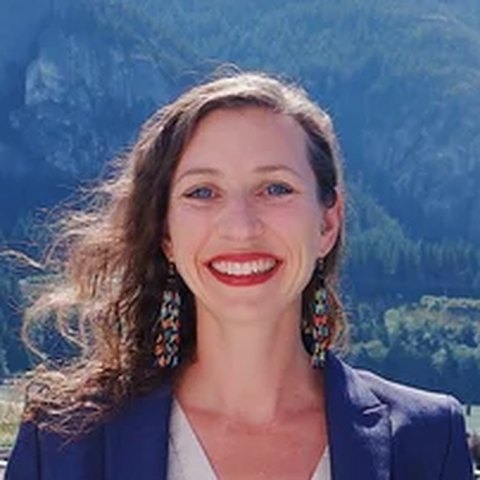
- Jenna Stoner (for mayor) Somewhat agrees
“Part of recent tax increases went to growing our fire and RCMP staff to match a growing town, and I'd make that call again. I've also been clear that more policing alone doesn't solve street disorder - it has to come alongside outreach and support services so that folks get the care they need when they are ready.”
- Ian Brown Somewhat agrees
“Public safety is one of any district’s most important priorities”
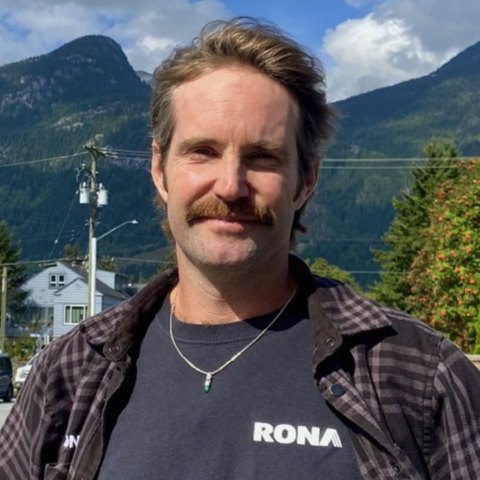
- Sean Goodwin Strongly agrees
“I would like to see the municipality would more closely with agencies like Integrated Road Safety Units(IRSU). These are officers more steered towards traffic violations, and therefore potentially more cost effective.”
- Andrew Hamilton In the middle
“As our population grows, we naturally need more police officers. But I suspect the question is whether the current RCMP staffing level is sufficient for the current population. The RCMP has a method for determining the appropriate number of officers for a community, and the budgeted number falls within the normal-to-low range of their projections. The current budget includes more officers because of significant recent and projected population increases.”
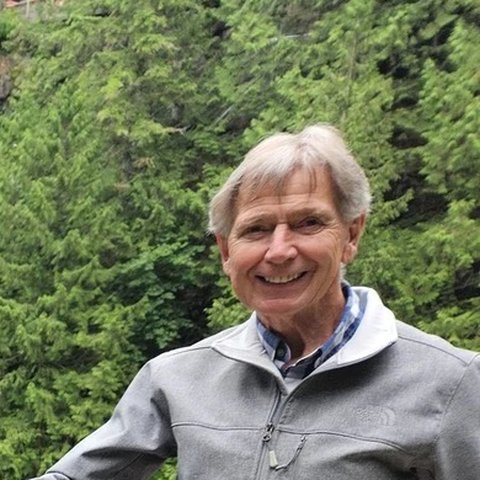
- A. John Lowe Somewhat disagrees
“Squamish is in a transition period with the increasing population higher than the rest of B.C. The existing population should not be held accountable for funding additional policing until the tax base catches up. In my view the province has a responsibility to assist with that added cost. The fact that we are considered a tourist destination and bedroom community for Whistler speaks for itself.”
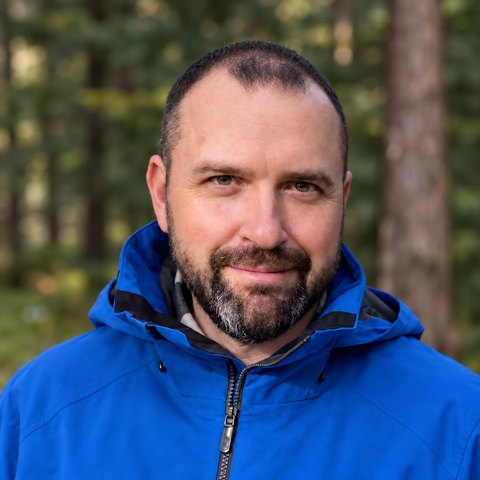
- Luc Perreault Somewhat agrees
“The District already spends millions of taxpayer dollars each year on RCMP services, so the question isn't always whether we need more officers. Sometimes it's about how those officers are deployed and how connected they are to our community. We need to make sure our RCMP members have the tools, training, and resources they need to succeed. Policing today is far more complex than it used to be. Officers are increasingly dealing with mental health challenges, addiction, homelessness, and social issues that weren't traditionally part of policing. To me, community policing is about relationships. Residents should know their local officers. Businesses should feel heard when they raise concerns. People should feel comfortable reporting issues before they become bigger problems. I also think we need to be realistic. The RCMP cannot solve every social issue on its own. Strong community safety comes from partnerships between police, outreach workers, health services, businesses, and residents all working together. If elected, I would advocate for a stronger community policing presence in Squamish. I want to see officers out in the community, building relationships, understanding local concerns, and focusing on prevention whenever possible. At the same time, I want to make sure taxpayers are receiving good value for the significant investment they're already making in public safety. At the end of the day, people want to feel safe in their neighbourhoods, safe in our parks and trails, and safe walking through our downtown. That's what I will focus on.”
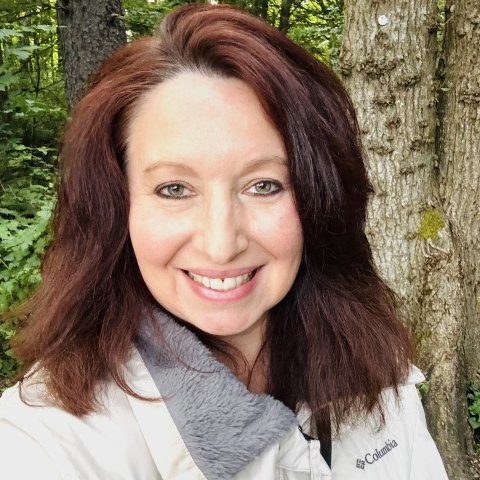
- Laura Prosko Strongly agrees
“Yes, including a mental health car and a local community policing office in the downtown area.”
- Chris Ryan Didn’t pick an answer
“Maybe do more foot patrols downtown for a presence”
- Shaun Veltkamp Somewhat agrees
“Yes, The RCMP needs to be adequately funded, specifically highway patrols and additional support in the downtown BIA area due to the ongoing challenges there.”
Comments candidates added when answering our questionnaire, unedited.
“The District should put more bylaw enforcement officers downtown.”
What does this mean?
Bylaw officers handle things short of crime — camping, noise, parking, street disorder.
4 candidates haven’t said — show names
- Sean Easton (for mayor) In the middle
“More enforcement without more support just shifts the problem — I want a downtown that's safe because people's real needs are being met.”
- Jenna Stoner (for mayor) Somewhat agrees
“Yes, working alongside outreach rather than instead of it. Two teams that talk to each other get further than either alone.”
- A. John Lowe Somewhat disagrees
“WE need to establish times and places, a plan to utilize staff we have in a more efficient way. More sometimes is less every addition reduces the other by a percent of workability.”
- Chris Ryan Strongly agrees
“We need more foot patrols, and past the hours of 8-4pm”
Comments candidates added when answering our questionnaire, unedited.
“The District should fund mental-health and outreach crisis response teams alongside the RCMP.”
What does this mean?
The idea is that a trained worker, not a police officer, answers some calls. It costs money on top of policing.
6 candidates haven’t said — show names
- Sean Easton (for mayor) Strongly agrees
“Government investment should address the root cause of issues, not just the symptoms. And local services need to collaborate effectively to deliver for all residents needs.”
- Jenna Stoner (for mayor) Strongly agrees
“Not every call needs a police officer, and sending one anyway is expensive and often the wrong tool. Most of this funding sits with the Province, which is why I'll keep pressing them alongside other communities.”
- A. John Lowe Somewhat disagrees
“This should be a volunteer situation i.e. groups with built in systems for outreach.”
- Laura Prosko Strongly agrees
“Yes, we need the mental health car in Squamish. It's a fantastic program.”
- Shaun Veltkamp In the middle
“If we lose a trained worker unable to protect themselves to a random act of violence, is that ok? I believe due to the potential of violence in some of these situations, we would be better spending money having those trained professionals educating certain members, if not all of the RCMP members on crisis response in mental health situations.”
Comments candidates added when answering our questionnaire, unedited.
“The District should use bylaws to stop open drug use in parks, sidewalks and other public spaces.”
What does this mean?
B.C. law limits what a municipality can do here, but councils can set bylaws and direct enforcement.
6 candidates haven’t said — show names
- Sean Easton (for mayor) Somewhat agrees
“Everyone should be held accountable to local laws, and that has to go hand in hand with real services that address why open drug use is happening in the first place.”
- Jenna Stoner (for mayor) In the middle
“Parks and sidewalks should feel usable by everyone, and bylaws are part of that. Provincial law limits what a municipality can actually do, and enforcement without somewhere for people to go relocates the problem rather than solving it.”
- Andrew Hamilton Didn’t pick an answer
“It is not clear that this is still the case. The decriminalization exemption expired on January 31, 2026, and will not be renewed (according to BCCDC).”
- A. John Lowe Strongly disagrees
“I don't believe this would be enforceable”
- Laura Prosko Strongly agrees
“I support safe, accessible parks, sidewalks and public spaces for everyone. Council should use the bylaw and enforcement tools available to it, within provincial law, while working with the RCMP and health authorities to address public drug use and connect people with appropriate supports. B.C.’s decriminalization pilot ended on January 31, 2026. Possession of illicit drugs is again illegal outside exempted locations, so the District does not need to rely solely on new bylaws to address this issue. Education on this issue is also a must.”
- Chris Ryan Strongly agrees
“It's not safe downtown, it has to be addressed with a strong arm”
- Shaun Veltkamp Somewhat agrees
“Without question in relation to narcotics, yes.”
Comments candidates added when answering our questionnaire, unedited.
What each candidate has said
Mayor candidates first, then council, in alphabetical order. Our summary of the public record; tap [source] to check it.
Daniel Deal (running for mayor)
Against funding more RCMP; strongly for mental-health crisis teams; a community task force to free up bylaw staff
Daniel had said little in public about this before answering our questionnaire. Daniel’s own answers are below.
Sean Easton (running for mayor)
In the middle on more RCMP and bylaw officers; strongly for crisis teams; hold everyone to the law, with services
Sean had said little in public about this before answering our questionnaire. Sean’s own answers are below.
Jenna Stoner (running for mayor) · current councillor
Strongly for mental-health crisis teams; leans toward more RCMP and bylaw officers, working alongside outreach
She proposes including the RCMP and bylaw officers in a multi-agency mayor's task force on street disorder, and says a safe-lot program for vehicle residents would not mean bylaw requirements 'just disappear.' [source]
“I think it would be unfair to suggest that just because we put in a safe-lots program then all the bylaw requirements just disappear.”
Ian Brown
Strongly for bylaws against open drug use; leans toward more RCMP, more bylaw officers downtown and crisis teams
Ian had said little in public about this before answering our questionnaire. Ian’s own answers are below. [source]
Kieran Brownie
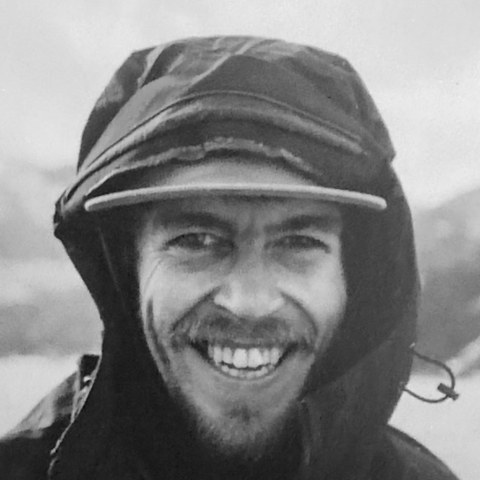
Strongly for mental-health crisis teams; strongly against more RCMP; leans toward bylaws on open drug use; in the middle on more bylaw officers
Kieran had said little in public about this before answering our questionnaire. Kieran’s own answers are below. [source]
Sarah Ellis
Strongly backs a mental-health crisis team; in the middle on more police
Sarah had said little in public about this before answering our questionnaire. Sarah’s own answers are below. [source]
Sean Goodwin
More policing and bylaw officers; work with traffic-focused road safety units
Sean had said little in public about this before answering our questionnaire. Sean’s own answers are below. [source]
Andrew Hamilton · current councillor
Strongly for more bylaw officers downtown and mental-health crisis teams; in the middle on more RCMP
Andrew had said little in public about this before answering our questionnaire. Andrew’s own answers are below.
A. John Lowe
Strongly against bylaws on open drug use (“not enforceable”); leans against more RCMP until the Province helps pay, and against more bylaw officers and crisis teams
John had said little in public about this before answering our questionnaire. John’s own answers are below. [source]
Anders Ourom
Leans toward more RCMP, more bylaw officers downtown, crisis teams and bylaws against open drug use
Says rising violent crime is “unacceptable” and is “far from just in the downtown or linked to ”. Notes the District can raise its policing or bylaw budget but has limited ability to direct the RCMP. Supports the appointment of a Director of Public Safety and more downtown patrols, “which seems to be helping”. [source]
“The District can increase its budget for policing or increase bylaw enforcement, but has limited ability to direct the RCMP.”
Luc Perreault
Strongly for more bylaw officers downtown and bylaws against open drug use; leans toward more community policing and crisis teams
Luc had said little in public about this before answering our questionnaire. Luc’s own answers are below. [source]
Chris Pettingill · current councillor
Sceptical of using police for mental-health and social needs (2020); no recent statement found
In 2020 he was the lone vote against receiving the RCMP budget report, arguing the province's retreat had forced municipalities to handle mental health and social services through policing, which he called often ineffective. No 2022-2026 statement on RCMP staffing found; his 'Safety & Security' plank is about emergency readiness, flood protection and traffic calming. [source]
“We've been forced to essentially deal with mental health and social services using a police force, which is, I think, in many circumstances, an ineffective way of doing that.”
Laura Prosko
Strongly for more RCMP, a mental-health car and bylaws against open drug use
Platform says she will 'prioritize community safety and support RCMP, fire rescue, emergency services and stronger mental health supports'.
“Prioritize community safety and support RCMP, fire rescue, emergency services and stronger mental health supports.”
Chris Ryan
More foot patrols and bylaw officers downtown; bylaws against open drug use — “a strong arm”
Describes being attacked downtown with a wooden spear, a pipe, needles and rocks. [source]
“We live in fear downtown.”
Shaun Veltkamp
More RCMP and bylaw officers
Shaun had said little in public about this before answering our questionnaire. Shaun’s own answers are below. [source]
No public position found for: Eric Andersen, Janice DesJardins, John French. If you are one of these candidates, send us your position.