Where the candidates stand on property taxes and spending
The background
Property taxes are, with recreation facilities, the top issue for readers surveyed by the Squamish Chief. In January 2026 council unanimously adopted the District's first 10-year financial plan, which raised the amount collected from property taxes by 12.8% in 2026 and projects about 13% more in each of 2027 and 2028, averaging 8.3% a year over the decade. The District says the drivers are aging buildings that must be replaced (public works yard, fire halls, Brennan Park), RCMP contract costs, wages, debt payments and building up reserves; one councillor noted that below-average increases in earlier years made the jump sharper.
Some 2026 candidates are campaigning on tax freezes or zero increases, while who are running generally defend the plan as necessary. Voters may want to ask any candidate promising lower taxes which services or projects would change.
The Woodfibre tax deal: what each choice means
Update, Sept. 22: council said no, 5–2 (Stoner, Hamilton and Pettingill against; Andersen and French for). A future council could still negotiate a new deal, so where candidates stand still matters. Squamish Reporter
This is a question about money. It is not a vote for or against the plant, which is already being built, and candidates who support the plant are on both sides of it.
If council says yes
- At least $142 million over 10 years, fixed in advance — about $14.2 million a year on average, with the biggest payments in the first five years.
- The court cases end. Woodfibre drops its three legal actions over the 2025 and 2026 tax rates, with no refunds.
- No risk from the Province or appeals. The amount holds even if the Province caps tax rates or the plant’s assessed value drops.
- But it can’t go up. Most of the money doesn’t rise with inflation, it can only be spent on building projects, and it stays the same if the plant expands.
If council says no
- Squamish still gets paid. Woodfibre keeps paying normal property tax every year. It paid $7.7 million in 2026 with the plant only part-built.
- How much is unknown. Staff estimate $9 million to $29 million a year once the plant is finished, depending on the tax rate council sets. Today’s rate is about four times the B.C. average, and the District says keeping it that high for 10 years “would be unusual”.
- The court cases go ahead, and the Province could cap the tax rate (as it does for ports and utilities) or change how LNG plants are valued.
- A new council could try for a better deal. Nothing guarantees a new offer, and one could not start before 2028.
District staff say normal taxes “could be either higher or lower” than the deal and make no recommendation. District of Squamish: questions and answers on the deal.
Key facts
- 2026: general property tax revenue requirement of $56.1 million, up 12.8% ($6.4 million) over 2025, or about $382 more for the average residential taxpayer. Utility rates: wastewater +7.2%, water +1.8%, solid waste +5.2%. 2026 operating budget: $82.2 million. [source]
- Projected increases (not yet decided): 13% in 2027 and 12.9% in 2028; average 8.3% per year across the 2026-2035 plan. [source]
- 2025: the draft 2025-2029 plan (adopted Dec. 17, 2024) called for a 9.6% increase in tax revenue, about $250 for the average residential property, with a projected five-year average of 10.5%. Whether the final adopted 2025 figure differed from the 9.6% draft was not confirmed. [source]
- 2024: the 2024-2028 plan (adopted Dec. 19, 2023) projected an 8.9% increase in property tax revenue, an average of $213 per residential unit. [source]
- 2023: the tax revenue requirement rose 8.9% over 2022, but just over half was covered by growth (new taxpayers); existing taxpayers saw a 4.2% increase. [source]
- 10-year plan totals: revenues $1.45 billion; expenses $1 billion; capital plan $347 million plus $100 million for the Cheekeye barrier asset; capital funded by $232 million reserves, $75 million borrowing, $26 million grants, $12.5 million developer charges/contributions. Debt servicing is projected to peak at 17% (provincial limit 25%, District policy limit 20%). [source]
- Public Works Facility replacement: $37 million budget, rated 'critical'; council authorized $20.2 million of borrowing over 20 years in September 2023. [source]
- Brennan Park Recreation Centre: a Recreation Centre Task Force is in Phase 1 (needs validation and technical feasibility, consultant Cornerstone Planning Group), due spring 2027; the expansion/upgrade itself is currently unfunded. Council budgeted $125,000 (2026) and $300,000 (year two) for Phase 1. An earlier $16.3-million renovation was supported by an $11.7-million federal grant. [source]
- Spring 2026 amendment: higher assessed value at the Woodfibre LNG site produced about $7.2 million in Class 4 (major industry) tax in 2026, $5.8 million more than planned; council directed $7.2 million to capital reserves rather than ongoing operations. [source]
- Campaign positions reported so far (attributed, not endorsed): council candidate Janice DesJardins calls for zero property tax increases and referendums on major capital projects; council candidate Laura Prosko pitches a property tax freeze. [source]
- Fire hall replacement costs and current total District debt: not confirmed in this pass (older reporting put one new fire hall at $13.3 million). [source]
Agree or disagree?
Where each candidate lands on these 5 statements, from their own questionnaire answers or their public record. Tap a name for the detail.
“Keeping property tax increases at or below inflation should be a top priority, even if it means cutting services or delaying projects.”
What does this mean?
Recent tax increases have been above inflation, partly to pay for aging facilities and new staff.
 Daniel Deal
  Sean Easton
  Janice DesJardins
 A. John Lowe
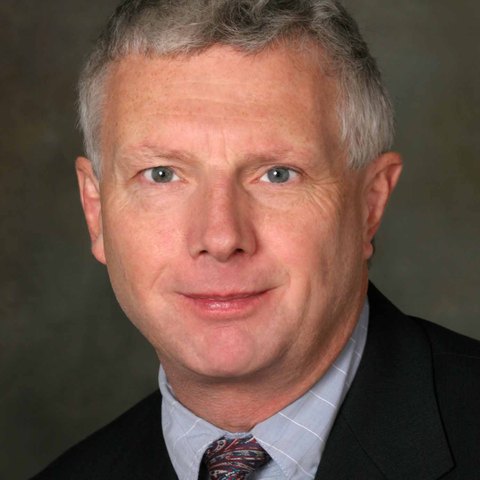 Anders Ourom
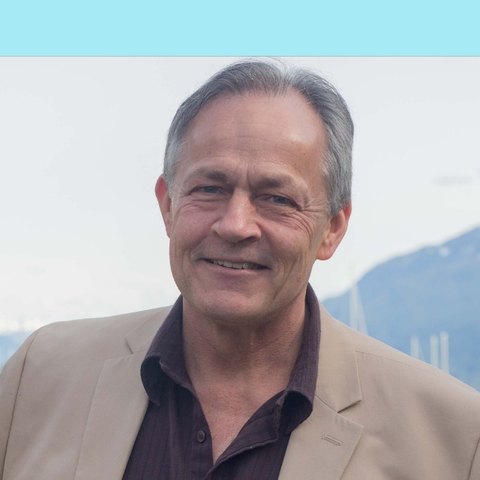 Ian Brown
 Kieran Brownie
 Sarah Ellis
 John French
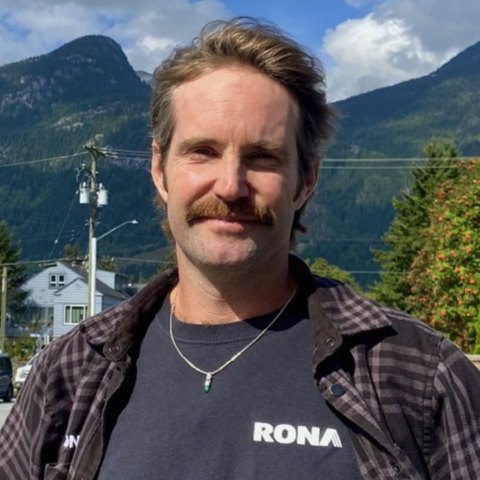 Sean Goodwin
 Laura Prosko
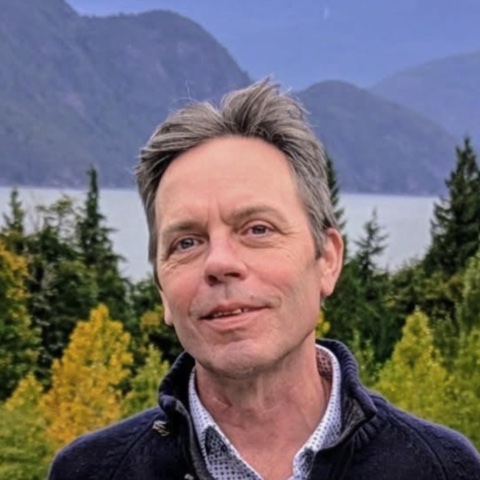 Chris Ryan
 Shaun Veltkamp
 Jenna Stoner
  Eric Andersen
 Andrew Hamilton
 Luc Perreault
 Chris Pettingill
- Daniel Deal (for mayor) Strongly agrees
“Having a moratorium on property tax doesn't mean having to cut services. With proper budgeting, private- public cooperation and focusing on the critical services. We can succeed without putting more stress on the locals of Squamish.”
- Sean Easton (for mayor) Strongly agrees
“I've pledged to freeze property taxes for 2027 after years of huge increases. Government needs to be forced to use our funds more effectively rather than putting greater pressure on residents.”
- Jenna Stoner (for mayor) Somewhat disagrees
“I won't pretend tax increases haven't been real. But a hard cap that costs us services or safety isn't discipline, it's deferral. What I'll commit to is zero-based budgeting, where every dollar is justified from zero.”
- Ian Brown In the middle
“I expect responsible financial management from district council.”
- Sean Goodwin In the middle
“I think a freeze would help everyone catch their breath while we explore potential external revenue sources. If they are to increase again, there needs to be clear communication to the taxpayers as to what that money will be going in to.”
- Andrew Hamilton Strongly disagrees
“As a property taxpayer, I'd appreciate it if increases stayed at or below inflation. However, the cost of providing municipal services has risen faster than inflation in most BC communities. Over the last 10 years, the average amount of property tax per capita has increased by about 4% (data from www.bcmunicipaldata.org), while inflation has averaged about 2.5% (data from Bank of Canada). If we capped municipal taxes at inflation, we would see a deterioration in services. That doesn't mean delaying projects; it means not doing them. This isn't just a Squamish challenge; it's more systemic.”
- A. John Lowe Strongly agrees
“We have to get our house in order. Determine our priorities as a community and establish a plan going forward. although we are growing we must keep our house in order and have those who are adding development to our community be held accountable for all the associated cost with their proposals to the District”
- Luc Perreault Strongly disagrees
“Core infrastructure is my passion, and I know firsthand how expensive it is when a community falls behind on maintaining it. For me, the priority is clear. Without reliable drinking water, sewer and storm systems, roads, and flood protection, nothing else works. We can build homes, attract businesses, and plan for growth, but if the infrastructure underneath it can't support that growth, we're setting ourselves up for failure. Our infrastructure is aging, and we need to be honest about that. I will push to maintain and replace these critical assets in the most cost-effective way possible. These systems don't generate revenue. They cost money to build, operate, and maintain, but they are essential to public safety and quality of life. I believe Council has a responsibility to stretch every taxpayer dollar as far as possible. That means better asset management, long-term planning, prioritizing maintenance before emergency repairs, and constantly looking for grants, partnerships, and efficiencies before turning to taxpayers for more money. Keeping tax increases affordable is important, but I don't believe an arbitrary commitment to keeping taxes below inflation should come at the expense of critical infrastructure or public safety. Delaying necessary investments often costs more in the long run. My approach will be to look for savings first, improve efficiency wherever possible, and make sure every dollar is spent wisely. If additional funding is truly necessary to protect essential infrastructure or public safety, then I believe we need to have an honest conversation with residents about why it's needed and what benefits it will deliver. At the end of the day, my goal is simple: protect the infrastructure that keeps our community safe, spend taxpayer money responsibly, and leave Squamish in better condition than we found it.”
- Laura Prosko In the middle
“I believe property owners need real tax relief. My proposal is a two-year municipal property tax freeze for 2027 and 2028, supported by responsible spending, new revenue opportunities but not cutting municipal projects and services.”
- Chris Ryan In the middle
“We need to stop neglecting regular maintane that end up costing more in the long term, not maintain weed growth on sidewalks and curb deteriate these structures. Downtown road structures are being destroyed by all of the trucks with really heavy steel loads. The port cargo was intended to be put on rail, not downtown with 1 artury in and out”
- Shaun Veltkamp In the middle
“First, we need to immediately look far and wide to find the best possible CAO to replace the outgoing CAO. We need an immediate revamp of the OCP, and we absolutely need to push the federal government for infrastructure funding for both a new community centre, municipal hall and several other key projects. Otherwise our facilities will age more and therefore cost more, forcing a raise in property taxes.”
Comments candidates added when answering our questionnaire, unedited.
“The District should sign the proposed 10-year tax agreement with Woodfibre LNG.”
What does this mean?
The tax deal: Woodfibre LNG would pay Squamish at least $142 million over 10 years — a fixed, much lower tax bill plus set yearly payments — and drop its lawsuits over its 2025 and 2026 taxes.
This is about money, not whether you like the plant. If yes: $142 million is locked in and the court cases end, but the amount can’t go up. If no: Woodfibre keeps paying normal taxes — staff guess $9 to $29 million a year — the court cases carry on, and the Province could cap the rate.
- Sean Easton (for mayor) Strongly disagrees
“I called on the current Council to reject this deal so a new Council could negotiate one that actually delivers for Squamish, including a real recreation centre.”
- Jenna Stoner (for mayor) Strongly disagrees
“I moved the motion to decline it. The payments wouldn't rise with inflation, which shifts rising costs onto local taxpayers, and we had no projects ready to build - so we'd have locked in a fixed amount against costs that keep climbing.”
- Sean Goodwin In the middle
“I supported taking the current deal mainly because it would nice to get something going for the community, rather than more time going by with nothing. There are definitely pros and cons to taking and declining the deal.”
- A. John Lowe Strongly disagrees
“I believe with any of this type of negotiations there are pluses and minuses that don't often show up. It is important to not just look at the cold hard facts but as a community we need to consider the fringe areas and negotiate to our satisfaction as well as co-operate. In the end it has to be a mutually beneficial agreement. Just don't rule out the possible side benefits”
- Anders Ourom Didn’t pick an answer
“This question is now dated, but a stable, long term solution is clearly needed.”
- Luc Perreault Strongly agrees
“Based on the information available, I would have supported the agreement. For me, this is less about whether someone supports or opposes the project and more about responsible financial management on behalf of taxpayers. The District has the authority to set its industrial tax rate, but the fact remains that we are currently involved in litigation. At some point, the courts will provide direction on what is reasonable, and future tax rates will likely need to reflect that outcome. If the District is successful, that's great. If not, we could face significant costs, uncertainty, and the challenge of establishing a new tax rate framework moving forward. I also recognize that litigation is expensive. The longer disputes continue, the more uncertainty exists for both the District and Woodfibre LNG. As someone who believes in long-term planning, I see value in reducing uncertainty whenever possible. One of the things that appealed to me about the agreement was the predictability. A guaranteed revenue stream over ten years would have provided certainty for financial planning, infrastructure investment, and asset management. When you're managing major infrastructure projects, predictable funding allows you to plan better, prioritize work, and often save money over the long term. I also understand that tax agreements between governments and large industrial projects are not uncommon. They can provide stability for both parties and help establish a workable long-term relationship. That doesn't mean we leave money on the table without asking questions. The District has a responsibility to negotiate in the best interests of residents. But given the certainty of the proposed revenue, the cost and uncertainty of ongoing litigation, and the importance of maintaining a productive relationship with one of the largest taxpayers in the community, I would have supported the agreement. At the end of the day, my responsibility is to look at long-term financial sustainability. Pre”
- Laura Prosko Strongly disagrees
“I proposed a different deal in my Five Point Plan.”
- Chris Ryan Strongly agrees
“Perhaps, instead of fighting, negotiate and work with them to help with a legacy project like Brennen Park. Could we create a enviromental fee for natural gas flaring as we do with water and beer bottles?”
- Shaun Veltkamp In the middle
“This needs to be negotiated based on data with comparables across the province and country. I would consider it a win if we could structure it as a more up-front payment to allow the DOS some leverage to start on some infrastructure projects faster.”
Comments candidates added when answering our questionnaire, unedited.
“Major recreation investments, like renewing Brennan Park, should go ahead even if the District has to borrow.”
What does this mean?
Brennan Park: Squamish’s main recreation centre, with the town’s only public pool and ice rink. It was built when the town was much smaller.
Fixing it up or making it bigger could cost tens of millions of dollars, and there is no money set aside for it yet.
1 candidate hasn’t said — show names
- Daniel Deal (for mayor) Somewhat disagrees
“We should not have to borrow to make these improvements, this is something we can try and solve through private-public cooperation, as well as more fiscal responsible choices.”
- Sean Easton (for mayor) Somewhat agrees
“Brennan Park's real needs — a bigger pool, a second sheet of ice, better change rooms — have to get fixed, and I'll aim to fund it through a fair deal with industry instead of debt that pushes up costs for locals.”
- Jenna Stoner (for mayor) Strongly agrees
“Borrowing is a legitimate tool when it's paired with grants and a plan to pay it back. What I won't do is start without knowing how it gets finished.”
- Sean Goodwin Somewhat agrees
“Brennan Park needs to be rebuilt sooner than later, and the project isn't going to happen over night, depending on the terms and conditions of how and how much we borrow. I think it's time to get on with it.”
- Andrew Hamilton Somewhat agrees
“There is no question that the District will need to borrow to expand Brennan Park. The District will need to borrow for any major capital investment. The District is currently close to its debt-servicing limit. Debt-servicing is the percentage of annual municipal revenue required to pay principal and interest on debt. We are currently at 17% (as of the 2026 budget), and we have a self-imposed policy limit of 20%. The provincial limit is 25%. We could increase our self-imposed limit, but that may limit our ability to manage any emergency borrowing in an unforeseen event.”
- A. John Lowe Somewhat disagrees
“There are options to getting an additional civic center that should not cost funding. funds can be raised by many other means. The responsibility for the District is to provide a land base and connect with a group of the willing to get it done. We have grown from a small community of 15000 to 30,000 plus and still have old outdated facilities which in the past we built by a group of the willing then. We can do this with cooperation from the province, our first nations partners and the community at large”
- Luc Perreault In the middle
“We absolutely need a new recreation centre. We need another pool, more ice time, and additional recreation space to support a growing community. Recreation is important on many levels. It keeps people active, teaches our kids essential skills like swimming, supports physical and mental health, and provides the quality of life that residents expect. The challenge is how we pay for it. I know the community has been waiting a long time for improvements to Brennan Park, but I am cautious about taking on significant new debt given the financial pressures the District is already facing. Before borrowing tens of millions of dollars, I want to make sure we have explored every available option. I would like to see the District get creative and investigate partnerships with private industry, senior levels of government, community organizations, and potentially neighbouring communities. Other municipalities have successfully used partnership models to help deliver recreation facilities, and I think those examples are worth exploring. My goal would be to deliver these amenities sooner rather than later while minimizing the financial burden on taxpayers. If we can find a way to share costs, reduce risk, and accelerate delivery, that's a conversation worth having. I support investing in recreation, but I also believe we need to be responsible with public finances. We all want these facilities, but we need a plan that the community can afford. At the end of the day, doing nothing isn't an option. Squamish has outgrown its existing recreation facilities. The question isn't whether we need more recreation infrastructure. The question is how we deliver it in a way that is financially responsible and sustainable for future generations.”
- Laura Prosko In the middle
“I think Brennan Park should go ahead and we won't have to borrow if we are fiscally responsible.”
- Chris Ryan Somewhat agrees
“We need to approach a certain corporation to be a financial partner in a legacy community project.”
- Shaun Veltkamp In the middle
“This is a critical piece and priority needed for the entire community. I believe we should realign and direct the DOS Major Projects department to work with the province and federal government to leverage their current relationships due to the LNG project and find funding for several major projects, primarily a new community centre, new regional hospital, and several other infrastructure projects.”
Comments candidates added when answering our questionnaire, unedited.
“Capital projects above a set cost should go to a public referendum before council approves them.”
What does this mean?
It gives residents a direct say, but adds months and cost to every large project.
4 candidates haven’t said — show names
- Sean Easton (for mayor) In the middle
“I agree that the public should have a say in major projects, but I plan to build more effective community engagement throughout project development, not wait until the last minute to hold a referendum.”
- Jenna Stoner (for mayor) Somewhat disagrees
“Long-term borrowing already requires elector approval under provincial law, so there's a check in place. Adding a referendum to every large project adds months and cost to work we've often already waited too long for. Engagement should shape a project, not just hold a referendum vote on it at the end.”
- A. John Lowe Strongly agrees
“The community should be involved in major costs its their money”
- Anders Ourom Somewhat agrees
“Any major borrowing must probably be approved by referendum under the Community Charter.”
- Laura Prosko Somewhat disagrees
“Council should have their budget managed well so we are fiscally responsible and not above budgets.”
- Chris Ryan Strongly agrees
“Prime example, the proposed 2 storey restaraunt to be build along the new boardwalk in the waterway in the blind Chanel. This project is being changed from residential to industrial use, and its all a closed door desicion.”
- Shaun Veltkamp In the middle
“Council is elected to represent the people of Squamish to make these decisions. We need a sensible, business first approach (cost effectiveness) from council for all of these decisions. Capital projects are usually critical to the overall wellness of a community... we need to plan for them far enough in advance so we are prepared, not react last minute every time. We need a new OCP ASAP.”
Comments candidates added when answering our questionnaire, unedited.
“The District should borrow to renew Brennan Park now rather than wait until it can be paid for from savings.”
What does this mean?
Borrowing means starting sooner and paying interest; waiting means an aging facility for longer.
4 candidates haven’t said — show names
- Sean Easton (for mayor) In the middle
“Renewing Brennan Park is a huge priority, but it should be paid for by a fair deal with industry, not more public debt that will increase costs to residents in the long term.”
- Jenna Stoner (for mayor) Strongly agrees
“Waiting means paying tomorrow's prices for a facility this community needed yesterday. I'd want the grants and the plan lined up, but I'm not prepared to tell families to wait another decade.”
- Sarah Ellis Somewhat agrees
“The District is limited in its borrowing authority by legislation. Even if we borrow, we will still need reserves and grants to pay for a Brennan park renewal.”
- Andrew Hamilton Somewhat agrees
“This question assumes Brennan Park is the next facility on the capital projects list. That decision has not been made. If the question is asking whether I think borrowing is generally appropriate for capital project funding, then the answer is absolutely yes.”
- A. John Lowe Strongly disagrees
“We need a plan to right the ship with input on what is the best plan of action. With assistance with a group of the willing we may be able to get what we want within a budget we can afford There are times when spending now and paying interest works over the long haul but i don't believe this is that time. Taxpayers are stretched to the limit and we need to find options.”
- Anders Ourom Strongly agrees
“Renewal of at Brennan Park should include full arts and cultural facilities. Consideration should be given as to whether some facilities could be added in the Brackendale and Valleycliffe areas.”
- Laura Prosko Strongly disagrees
“No, we should find the budget efficiences and start in 2027.”
- Chris Ryan Strongly agrees
“If we do borrow money,Brennen Park needs to largely increase its services to help pay for, air domes for tennis and pickle ball, an area a that can generate revenue from live shows, exebitions and events, as well as hockey, basketball. Water park. Give a reason for the millions of people who just drive throu squamish”
- Shaun Veltkamp In the middle
“We need a NEW, purpose built community centre that fits the community population in 15 years and beyond, not our current population. This should have been in the pipeline years ago as our community has already drastically outgrown BPCC. 12-14,000 new residents in the next 15 years is the outlook. Heavy Industry mill rates, federal infrastrucure funding and grants should be heavily leaned upon to fund this immediately.”
Comments candidates added when answering our questionnaire, unedited.
What each candidate has said
Mayor candidates first, then council, in alphabetical order. Our summary of the public record; tap [source] to check it.
Daniel Deal (running for mayor)
Strongly for holding taxes to inflation; against the Woodfibre tax deal; referendums on big projects
Proposes a one-year moratorium on property tax increases, prioritizing essential services and infrastructure before discretionary spending, publishing performance measures, and more transparency on major projects. Asked where he would cut, he pointed to certain bike lanes. He also wants Brennan Park to get more attention and to unbundle construction contracts. [source]
“Hey, this is our budget. We have to stay within this. We cannot keep relying on raising the property tax to make up for our mistakes.”
Sean Easton (running for mayor)
Freeze property taxes for 2027; against the Woodfibre tax deal as written; pay for Brennan Park through industry, not debt
Pledges to freeze property taxes for 2027 and 'spend your dollars transparently and thoughtfully.' He criticizes the 12.8% 2026 tax increase, questions whether $21M spent at Brennan Park met residents' most pressing needs, and says the last two District capital projects ran more than $20M over budget. He also wants new recreation amenities, ideally funded through a renegotiated WLNG deal; he has not said what he would cut to fund the freeze. [source]
“...they don't feel heard, and they don't feel their tax dollars are being spent effectively to make Squamish a place where they can thrive.”
Jenna Stoner (running for mayor) · current councillor
Leans against capping taxes at inflation — instead; strongly for borrowing to renew Brennan Park now
Supported the District's first 10-year financial plan (adopted unanimously; it projected tax increases of about 13% in 2027 and 12.9% in 2028) and adding WLNG tax revenue to asset-management reserves. She defends spending on fire halls, the public works facility and wastewater plant, and now promises while making room for amenities like Brennan Park. [source]
“Instead of rolling over budgets year-to-year, taking the time and providing transparency and ensuring every dollar gets accounted for from zero.”
Eric Andersen · current councillor
Grow the industrial/business tax base to relieve residential taxpayers; plan facilities before funding them
Voted with the rest of council to adopt the 2026-2035 financial plan (12.8% tax revenue increase for 2026). His long-standing argument is that Squamish over-relies on residential taxes and needs a bigger employment and industrial tax base. On facilities he stresses having updated plans ready for outside funding. [source]
“We understand there's impatience in the community with respect to facilities. But unless we have updated roadmaps and adequate plans, we won't be ready when funding sources come along.”
Ian Brown
In the middle on capping taxes at inflation; leans toward borrowing to renew Brennan Park now
Lists high property taxes as an issue and talks of "responsible fiscal management", while supporting an expanded recreation centre, second rink and bigger pool. Would investigate private and public-private partnerships to pay for recreation. No specific tax target stated. [source]
“I support these initiatives and would investigate the options of private and public-private partnerships.”
Kieran Brownie
In the middle on holding tax increases to inflation and on referendums for big projects; leans toward borrowing to renew Brennan Park now and toward more flood-protection spending
Frames Squamish's revenue problem as inherited: BC towns were built on industrial tax bases, and pushing industry out leaves a gap residents must cover. Prefers community-built recreation initiatives and keeping recreation revenue local over funding everything from the municipal budget. No specific tax target stated. [source]
“If we aren't propping up our tax base, the only other option is for residents to be taxed more.”
Janice DesJardins
Strive for zero property tax increases; limit debt; referendums on big projects
Calls for spending discipline, , needs over wants, market value for District land sales, limits on new debt and referendums on major capital projects. Asked by the Chief what she would cut to reach zero, she said she was not sure yet and that an inventory of all spending was needed. [source]
“Annually, we should strive for zero increases in property taxes. Zero based budgeting can get us there.”
Sarah Ellis
In the middle on holding taxes down; open to borrowing for Brennan Park
Asked about rising property taxes, she said residents have questions about where their money is going and that council can bring more visibility to spending and results. She has not committed to a tax freeze or a specific cap, and acknowledges trade-offs and real constraints on local government. [source]
“I think people have a lot of questions about where their tax dollars are going and especially with the increases that we're seeing.”
John French · current councillor
Voted for the 2026 budget but says projected increases are too high; wants
Supported the 2026-2035 financial plan (12.8% 2026 increase) while warning it would push some residents out of Squamish. For 2026 he says the five-year projected increases are too high and wants the next council to discuss ; for Brennan Park he points to grants, reserves, community fundraising and private partnerships. [source]
“ is something that I want this next council to have a conversation on.”
Sean Goodwin
A tax freeze to “catch our breath”; referendums on big projects; get on with Brennan Park
Says his purchasing career keeps him focused on fiscal responsibility. As a renter he admits he doesn't know a lot about property taxes, but thinks revenue should come from industry such as Woodfibre LNG. The Chief reports he sees the Bosa/Kingswood pedestrian bridge as a long-term cost burden through operating and maintenance costs. [source]
Andrew Hamilton · current councillor
Against capping taxes at inflation — it would mean cutting services; for borrowing for big projects; strongly for referendums above a set cost
Voted for the 2026-2035 plan despite misgivings about absorbing capital cost overruns. Names reforming how property tax rates are calculated as his top accomplishment, has the most property-tax dissents on council (mostly against permissive exemptions), moved a failed 2025 amendment to cut the Brennan Park line item, and warns projects such as the Pemberton-Laurelwood bridge are under-costed. [source]
“It's very easy to say somebody else should pay, but if somebody else is paying, they're part of our community, and we are paying.”
A. John Lowe
Strongly for keeping tax increases at or below inflation and for referendums on big projects; strongly against borrowing to renew Brennan Park now
His platform promises disciplined budget oversight focused on core services and value for taxpayers, checking major spending and capital projects against affordability and long-term operating costs, and more transparency on where tax dollars go. He wants to rebuild the business and industrial tax base so homeowners don’t carry an ever-growing share. He also says parking meters would cost more to install and run than they raise. [source]
“Rebuild and diversify Squamish’s business and industrial tax base so residential taxpayers are not carrying an ever-growing share of the burden.”
Anders Ourom
Strongly for keeping tax increases at or below inflation; also strongly for borrowing to renew Brennan Park now
Says property taxes “have risen much too quickly” and calls for a temporary freeze, with inflation-level increases after that, while accepting that bigger increases may be unavoidable if the alternative is cutting services. Wants 100% of Woodfibre LNG money spent on Brennan Park and other civic facilities, a new civic centre built in phases, and town hall replaced, partly funded by selling the land it sits on. He questions the proposed 10-year Woodfibre agreement and wants a longer one with review and renewal. [source]
“There should now be a temporary freeze on further increases, so that they can be rebalanced, with inflationary changes resuming in due course.”
Luc Perreault
Strongly against capping taxes at inflation if it cuts core infrastructure; cautious on borrowing for Brennan Park — look for partners first
Wants an urgent pivot to core municipal services and 'fiscally responsible governance', and wants residents to understand what major decisions cost and how they affect taxes. Also supports investment in roads, utilities, public spaces and recreation facilities. [source]
“We urgently need to pivot to prioritize core municipal services such as recreation, transportation, municipal servicing and fiscally responsible governance.”
Chris Pettingill · current councillor
Accepts higher taxes to fix the infrastructure deficit
Voted for the 2026-2035 plan and said earlier years of below-average increases made the 12.8% jump sharper - steadier 8-9% increases might have been better. Campaigns on the $37.8M public works facility, $19.5M+ diking and $21M wastewater upgrades. Open to a recreation-centre but says willing partners are hard to find. [source]
“We may have been better to be at 9% or 8% [increases] year-after-year for several years instead of 4%, 5% and 12%, which is where we find ourselves.”
Laura Prosko
Two-year tax freeze without cutting services; against borrowing for Brennan Park now; against the Woodfibre deal
Calls for a property tax freeze in 2027 and 2028, focusing spending on core services and balanced budgets, with infrastructure paid for through efficiencies, senior-government grants and public-private partnerships. Still wants Brennan Park expansion treated as urgent. Promises a capital-projects dashboard and annual Budget Town Hall. [source]
“We also need to seriously look at different levels of government and what they can bring to the table through grants and partnerships, and then also public-private partnerships.”
Chris Ryan
Take the Woodfibre tax deal and put it toward Brennan Park; borrow to renew Brennan Park; in the middle on holding taxes down
Argues that small maintenance spending now (weeds, curbs, drains) saves large repair bills later, that heavy trucks are wrecking downtown roads at taxpayers’ cost, and that Woodfibre LNG and senior governments should help fund local projects. No property-tax target stated. [source]
“For a minor maintenance cost now, we will save the future tax base from the high costs of replacing our roads and streetscapes.”
Shaun Veltkamp
Build a new community centre, paid for mainly by senior government and industry, not local tax increases
Emphasizes taxpayer dollars spent responsibly, clear priorities, and cost-benefit evaluation before major decisions; wants provincial and federal funding pursued for a new community centre, hospital and alternate downtown access. [source]
“My goal is to ensure taxpayer dollars are spent responsibly, priorities are clear, and important projects move forward efficiently and with long-term value for our community.”