Your mayor and council
Seven people elected on October 17, 2026, to run Squamish until 2030. Tap anyone to see what they promised, how they vote, and every answer they gave during the campaign.
Mayor
Councillors
-
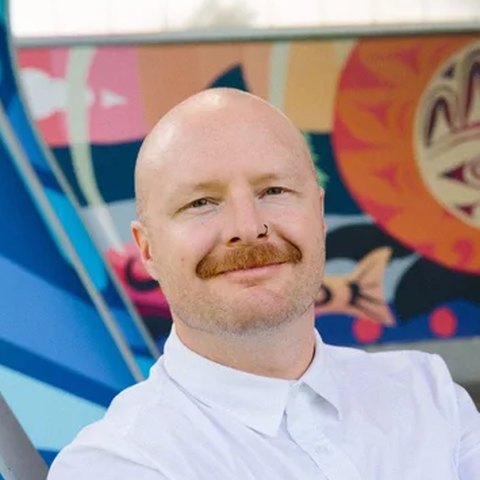
 Eric AndersenCouncillor · re-elected
“A vote for Eric Andersen for Squamish Council is a vote for good jobs close to home.” (slogan from his previous campaigns)
On growth: wants to slow down and let jobs and services catch up.
-
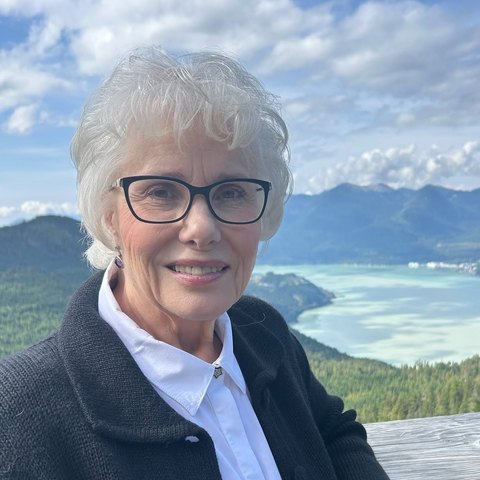 Janice DesJardinsCouncillor
Time for Change! Livability, Affordability, Fiscal Responsibility, Accountability — using Common Sense!
On growth: open new land and new neighbourhoods.
-
 Sarah EllisCouncillor
Community leader and affordable-housing expert who “knows how to bring people together to get things done”.
On growth: build inside the town we have: more homes downtown and near transit.
-
 Luc PerreaultCouncillor
A Voice You Can Count On
On growth: growth must pay its way and infrastructure must keep up; protect the views, and open new land only if it clearly benefits residents.
-
 Laura ProskoCouncillor
“It's time to build a sustainable Squamish - affordable, safe, prosperous and ready for the future.”
On growth: growing too fast; get infrastructure and Brennan Park right before more growth.
-
 Shaun VeltkampCouncillor
“Prepared to do the hard work — we have to make good decisions.”
On growth: cap building heights downtown for now, and finish existing neighbourhoods before opening new land.
Compare them, issue by issue
What each of them said during the campaign, side by side. The mayor is marked in yellow.
Stop building, build up, or build out?
The biggest question in Squamish: how should the town grow? We sorted each candidate by their main public position. Many candidates hold nuanced views, so read their profile for detail.
Slow down / rebalance (3)
Says growth is outpacing jobs, services and amenities, and is cautious about adding more density to existing neighbourhoods.
Build up and fill in (1)
Prefers growth inside today’s town boundary (infill and more density near downtown and transit) rather than spreading onto new land. Some still vote against individual projects.
Build out (1)
Open to new neighbourhoods and expanding the growth boundary onto new land, rather than densifying existing streets.
Grow, but infrastructure first (2)
Supports continued growth as long as roads, services and amenities keep pace. Has not picked a side on building up versus building out.
Growth & development
Squamish is one of the fastest-growing communities in B.C., and how fast and where it should grow is a long-running debate. The Province now requires municipalities to allow more homes on single-family lots (Bill 44) and has ordered Squamish to complete a minimum number of new homes by 2030, which limits how much council can slow growth even if it wanted to. More background and every member’s answer
“Squamish is growing too fast. Council should slow the pace of new development approvals.”
What does this mean?
Squamish has been one of the fastest-growing communities in B.C. Some say roads, schools and services can’t keep up; others say slowing down pushes prices higher.
- Sean Easton (mayor) Strongly agrees
“We've grown faster than our infrastructure and amenities can keep up with, so we need to slow down, catch up, and stop approving development just to hit provincial housing numbers.”
- Janice DesJardins Strongly agrees
“Existing infrastructure does not meet our needs....roads, sidewalks, transit, hospital, seniors care, schools, need to be in place before we increase our density.”
- Sarah Ellis Somewhat disagrees
“I think Squamish should keep being open to growth while making sure our policies and practices keep pace, from building design and parking to active transportation, recreation and infrastructure”
- Luc Perreault In the middle
“Development is an important source of revenue for the District, and it helps fund the services and amenities our community relies on. However, residents must always come first. This means making sure our infrastructure keeps pace with growth. As we welcome new development, we need to ensure that roads, water distribution systems, sewer infrastructure, parks, recreation facilities, and community services are planned and funded appropriately. My goal is simple: support responsible growth that benefits the entire community, ensure development contributes its fair share, and maintain the quality of life that makes Squamish such a great place to live.”
- Laura Prosko Strongly agrees
“My Five-Point Plan outlines real solutions for Squamish. We must get back to basics first. Infrastructure must keep pace with growth, fiscal responsibility must guide Council’s decisions, and property owners need real tax relief. It’s time to turn plans into action and deliver results.”
- Shaun Veltkamp In the middle
“This is a complex question. The District of Squamish needs a STRONG Economic Development team to gather data and advise Council on these specifics of these issues. The only way we should continue is if we have the right people on council making strong, effective decisions based on accurate data. We need to push hard for provincial and federal funding QUICKLY for new infrastructure to support any prospective growth. Our OCP says we are expecting 12-14000 new residents in the next 15 years, an infrastructure push is critical.”
Comments they added when answering our questionnaire during the campaign, unedited.
“Taller buildings (above 6 storeys) should be allowed downtown and near transit and services.”
What does this mean?
Building up fits more homes on less land, but changes views and the feel of downtown.
- Sean Easton (mayor) In the middle
“Height isn't the question for me — it's whether a project actually delivers what residents need.”
- Janice DesJardins Strongly disagrees
“People move here for the lifestyle and part of that is view scapes. Let us keep that which remains. Build smaller and lower for awhile.”
- Sarah Ellis Somewhat agrees
“I support higher density downtown, but would like to see good design, more useable commercial spaces, and realistic parking requirements.”
- Luc Perreault Somewhat disagrees
“Our views are one of Squamish's greatest assets. They define our community, contribute to our quality of life, and are a big part of why people choose to live here. I support responsible growth, but not at the expense of the character and natural beauty that make Squamish special.”
- Laura Prosko Strongly disagrees
“We come to Squamish for its natural beauty, outdoor recreation and quality of life, and any decisions about taller buildings must respect the character of our community.”
- Shaun Veltkamp In the middle
“I believe we need to limit building height for residential buildings to maintain view corridors, at the very least until the next round of developments are completed, specifcally Oceanfront. In my opinion an exception would be if a high level hotelier were to consider a new hotel in Squamish and height was a major factor for room quantity and if it were to benefit the businesses of Squamish.”
Comments they added when answering our questionnaire during the campaign, unedited.
“Squamish should open new land and new neighbourhoods for housing, rather than adding density to existing ones.”
What does this mean?
Building out spreads growth to new areas instead of changing existing streets, but it needs new roads, pipes and services.
- Sean Easton (mayor) Somewhat disagrees
“In general, I support developing within our growth boundary where we can. But every new project should be judged on its own merits and whether it delivers affordability and increased quality of life for all residents”
- Janice DesJardins Strongly agrees
“Our neighbourhoods were established by the people who lived here. Do not destroy the ambiance and sense of community which is so important.”
- Sarah Ellis Somewhat disagrees
“There is already quite a bit of undeveloped land within Squamish’s growth boundary, so I am cautious about one-off decisions to expand it. These are conversations that are best had as part of an Official Community Plan process, which will be coming up during this Council’s term.”
- Luc Perreault Somewhat agrees
“To be honest, I'm not convinced the answer is simply more density everywhere, and I'm not convinced the answer is opening new land everywhere either. I think it's a conversation worth having as a community. If we're going to consider new neighbourhoods, it needs to be done responsibly, with meaningful community engagement and more opportunities for Council to be involved in those discussions. These decisions will shape Squamish for generations, and residents deserve to have a real voice in them. I'm open to exploring new areas for housing if there's a clear benefit to the community. That could mean creating more housing options, improving affordability, or delivering new amenities and infrastructure that make life better for residents. But growth for the sake of growth isn't enough. I want to know how it will benefit the people who already live here, how we'll pay for the infrastructure, and whether it helps us build a stronger community. At the end of the day, my focus is making sure growth works for residents first. If opening new land helps us achieve that, then it's a discussion I'm willing to have.”
- Laura Prosko Strongly disagrees
“We need to get our infrastructure right before opening new neighbourhoods. Brennan Park is an urgent priority and must be addressed before further growth.”
- Shaun Veltkamp In the middle
“In my opinion, as a community we should be honouring the current boundary until the existing neighbourhoods are built out. Specifically Oceanfront again and Cheeky, etc. We need to focus our infrastructure costs on those areas for now until we have properly revised the OCP to a current level, which is also a priority.”
Comments they added when answering our questionnaire during the campaign, unedited.
Read each candidate’s position on growth & development
| Candidate | Position |
|---|---|
| Sean Easton mayor | Growing too fast: slow approvals until infrastructure catches up; judge each project on what it deliversSays growth has outpaced essential infrastructure and amenities and pledges to 'balance growth with what our environment can sustain.' He argues that adding supply alone has not made housing affordable. In 2024 the Squamish Chief reported that his non-profit DWIFT favours 'gentle densification' (low-rise apartments and townhomes). [source] |
| Eric Andersen | Managed mixIn the 2022 election he answered a questionnaire from My Sea to Sky, an anti-LNG advocacy group, in his own words: he said he was supportive of the Cheema Lands and North Crumpit proposals, giving as his reason that Squamish has 'too many competing uses of scarce valley bottom lands' and 'must learn to build housing on upper slopes responsibly', and opposed to Garibaldi at Squamish because 'scale of proposed development is a big concern'. These are 2022 answers. [source] |
| Janice DesJardins | Build out (new neighbourhoods / greenfield)Wants high density placed in new developments rather than in established neighbourhoods that do not want it, and supports development outside the current OCP boundary to get off the flood plain onto higher ground. [source] |
| Sarah Ellis | Stay open to growth; taller buildings downtown, cautious about opening new landDescribes Squamish as a community in transition: growth has brought diversity, a stronger economy and a larger tax base, but she has heard worries that it is happening too fast. She wants council to be open to growth while ensuring policies and practices keep pace. [source] |
| Luc Perreault | Neutral on slowing approvals; leans against taller buildings downtown (views); open to new neighbourhoods if residents benefit; clear rules set in advanceHis focus is that growth must pay its fair share and that infrastructure keeps pace: stronger Community Amenity Contributions, better infrastructure coordination, and public spaces and services for all ages. [source] |
| Laura Prosko | Growing too fast: infrastructure and Brennan Park first; against taller buildings downtown and new neighbourhoods for nowFrames her approach as 'balanced' and 'responsible' growth: fast-track rental, workforce and missing-middle housing while catching up on core infrastructure (roads, sidewalks, water and sewer, street lighting, parks) and leading a thorough OCP review. [source] |
| Shaun Veltkamp | In the middle on pace; hold building heights and the growth boundary for nowSays rapid growth has brought 'real pressure on housing, infrastructure, and the character of the community'; wants the OCP reviewed and refocused and infrastructure put first, while supporting 'sensible density near transit'. [source] |
Housing affordability
Squamish is one of the most expensive places to live in B.C.: home prices rival Metro Vancouver's and the local 'living wage' is the second highest in the province. Building more market housing does not by itself produce homes that lower- and middle-income workers can afford, so attention falls on non-market (non-profit, below-market) housing. More background and every member’s answer
“The District should put more public money and land into non-market and below-market housing.”
What does this mean?
Non-market housing: homes rented or sold for less than the going rate, usually run by a non-profit so they stay cheaper for good.
Non-market housing is rented or sold below market rates, usually run by a non-profit. It costs public money or land.
- Sean Easton (mayor) Strongly agrees
“I'll increase the amount of affordable housing developers need to provide, bring resident-restricted affordable home ownership to Squamish, and leverage federal funding effectively to deliver affordable housing.”
- Janice DesJardins Somewhat disagrees
“The District should only put land into a project that is a community amenity. Land that is zoned industrial should be saved for an opportunity that will provide permanent jobs. Other municipal land should be used for partnerships that support seniors housing and housing for households making less than the median income.”
- Luc Perreault In the middle
“I'll be honest, creating non-market housing is not an area where I have deep expertise. I tend to look at this issue through the eyes of the average taxpayer. I want to help people, and I recognize that many residents are struggling with housing affordability. I also believe that local government has an obligation to support vulnerable residents and help where it can. At the same time, I think municipalities have been asked to carry more responsibility for housing without always receiving the support and funding we need from senior levels of government. That's a challenge we must acknowledge. For me, it's about finding balance. We need a community that is affordable and inclusive, but we also need to invest in the infrastructure, parks, recreation facilities, and services that make Squamish a great place to live. I don't know exactly where that balance lies, and I think it's different for every project. What I do know is that the District needs a strong foundation if we're going to help others effectively. The stronger we are as a municipality, the more we can do to support residents who need a helping hand. I'm open to supporting non-market housing initiatives when there is a clear community benefit, strong partnerships, and a responsible plan that makes sense for both current residents and future generations.”
- Laura Prosko In the middle
“The District needs to evolve its Squamish Perpetually Affordable Housing Policy. We need to shift the conversation from housing affordability to housing security, ensuring residents have stable, attainable housing and the confidence that they can remain in our community.”
- Shaun Veltkamp In the middle
“There is no doubt we are in a global financial crisis and the outlook currently is not great. Everyone is feeling squeezed by high prices for the basics of food, fuel and housing, with very little end in sight. Public money needs to be spent in a reasonable and cost effective manner for ALL who pay taxes. I believe we have amazing leaders in the affordable housing sector in Squamish and they should continue to be supported. As to MORE funding we would need to see the data on what that would look like and make decisions that seem fair to everyone in Squamish. I will say that the work Sarah Ellis' team at SCHS have done and their ROI is amazing in that area.”
Comments they added when answering our questionnaire during the campaign, unedited.
Read each candidate’s position on housing affordability
| Candidate | Position |
|---|---|
| Sean Easton mayor | Strongly for more public money and land, and a bigger required share of below-market homes; resident-restricted ownershipHousing is his professional field. He co-founded DWIFT Housing Society to build homes and sell them at cost (reported in 2024 as 25-30% below market) to middle-income households, and DWIFT sought District land on Pioneer Way for that purpose. His platform promises 'housing that locals can afford throughout their lives.' [source] |
| Eric Andersen | Negotiate affordable units, cut developer process costs, lobby senior governmentsIn 2022 he called for continued negotiation of affordable units with the Housing Society involved, lower processing and transaction costs for developers, construction innovation (including wood products) and much more advocacy to senior governments. No 2026 campaign statement on housing found. [source] |
| Janice DesJardins | Land bank for employee and housing-society housing (Whistler model)Says Squamish has done the paperwork on affordable housing but barely delivered, and that zoning reform alone does not make anything affordable. Wants a land bank, possibly from Crown land, for employee housing, co-op style ownership and housing society projects, citing Whistler. Her site's housing page adds: 'missing middle' townhouses and low-rise 'throughout the community' with streamlined approvals, protecting rental stock from short-term rentals and renovictions, higher affordable-housing requirements in new developments, and a Housing Action Plan with targets and public reporting. [source] |
| Sarah Ellis | Strong supporter of non-market / affordable housing (it is her profession)Runs on her record as the first Executive Director of Housing Squamish, where her campaign says she helped bring over $17M in funding and financing to protect and expand affordable housing. In that role she asked council in May 2026 to maintain its $500,000 annual operating contribution, arguing the District's $2M had leveraged $17.5M in partner investment. [source] |
| Luc Perreault | Keep District land for housing; in the middle on more public money for below-market homes and on a required share in big projectsLuc had said little in public about this before answering our questionnaire. Luc’s own answers are below. [source] |
| Laura Prosko | Big projects should include below-market homes; “housing security”; keep Airbnb legal and regulatedWould lobby senior governments for funding partnerships for attainable housing, develop a Workforce Housing Strategy, and fast-track permits/zoning for rental, workforce and missing-middle housing. Wants the perpetually affordable housing policy reviewed so people don't lose housing if they stop working in town. [source] |
| Shaun Veltkamp | More attainable housing, density near transit, renter protectionsSays workers and families are being priced out and calls for more attainable housing options, sensible density near transit and protections for renters. [source] |
Homelessness & supportive housing
The number of people without housing in Squamish has grown, and a visible encampment downtown (near Main Street and Third Avenue, close to the Under One Roof shelter) has become a flashpoint for both compassion and safety concerns. Housing and shelters are funded by the Province through BC Housing, but the municipality decides on land, leases and bylaw enforcement, and courts have limited how cities can clear encampments when there is not enough shelter space. More background and every member’s answer
“Squamish needs more shelter and supportive-housing spaces, even if they are located near residential areas.”
What does this mean?
Supportive housing: homes for people leaving homelessness, with staff on site to help with health, addiction or daily life.
Supportive housing gives people a home with on-site help. Where to put it is often the hardest question.
- Sean Easton (mayor) Somewhat agrees
“The slated Pioneer Way and Hearth and Home projects must go ahead to meet the need, but they must be designed in partnership with residents in appropriate locations.”
- Janice DesJardins Somewhat disagrees
“Heart/Hearth, Canadian Alliance to End Homelessness (Built for Zero), and Dignity Village concept should be explored for Squamish”
- Luc Perreault Somewhat disagrees
“I think we need to find a balance. Supporting the most vulnerable members of our community should always be part of the conversation. Everyone deserves dignity, safety, and access to the services they need to get back on their feet. At the same time, we have a responsibility to residents, families, and businesses who want safe and welcoming neighbourhoods. That's why I believe supportive housing needs to be paired with the right services, support staff, and community safety resources. I support expanding supportive housing, but I also believe location matters and each proposal should be evaluated carefully. I don't think there is a one-size-fits-all solution. We need honest conversations with residents, service providers, and the people who will be living in these homes. My goal would be to find solutions that help our most vulnerable residents while maintaining the quality of life that people expect in their neighbourhoods. I don't claim to have all the answers, but I do believe we need to keep working together to find solutions that are compassionate, practical, and work for the entire community.”
- Laura Prosko In the middle
“Our Official Community Plan and land-use priorities must address the need for more shelter and supportive housing while carefully considering locations, neighbourhood impacts and community safety.”
- Shaun Veltkamp Somewhat agrees
“I believe the Provincial and Federal governments need to step in with regards to funding for those that need shelters and supportive housing. With a low taxpayer base and an unsupported Economic Development Department currently, we need to very clear on how our tax dollars are spent to benefit the entire community.”
Comments they added when answering our questionnaire during the campaign, unedited.
“The Under One Roof shelter and its services should be moved out of downtown.”
What does this mean?
Under One Roof: the building on Third Avenue downtown with Squamish’s emergency shelter beds and about 39 homes with on-site support. It is run by the charity Squamish Helping Hands.
Some say downtown carries too much of the load and that street disorder hurts businesses. Others say services need to be where people already are, and that moving them only moves the problem.
1 member hasn’t said: show names
- Sean Easton (mayor) In the middle
“This is a complex issue, and any decision should be made in partnership with all the people affected - including service users, social service organizations, and local neighbors - not dictated by Mayor and Council.”
- Janice DesJardins Strongly disagrees
“Those individuals need support that they can walk to so it must stay in the downtown. To mitigate impacts on land owners nearby the district may need to look at finding a way to acquire their land so they get a fair shake having been put into a situation where they can no longer sell it.”
- Luc Perreault Somewhat agrees
“I believe we need to take a serious look at how supportive housing and related services are distributed throughout the community. I fully support helping vulnerable people and ensuring they have access to shelter, housing, and the services they need. At the same time, I think we need to be honest about the challenges that residents, businesses, and visitors have raised regarding the concentration of services in the downtown core. Downtown is where a lot of the community comes together. It's home to Municipal Hall, the library, local businesses, restaurants, community events, and many of the places we encourage visitors to explore. It's also an area where residents should feel comfortable living, working, and spending time. My concern is not with the people who need help. My concern is whether we have the right balance and the right support systems in place. I think it's reasonable to review whether our current approach is working for everyone and whether services could be delivered more effectively. I would support a community discussion that includes residents, businesses, service providers, and the people using these services. The goal should be finding solutions that support vulnerable individuals while also maintaining a safe, welcoming, and vibrant downtown. I also believe supportive housing needs to be paired with appropriate supports, community safety measures, and enforcement when necessary. Housing alone is not enough. At the end of the day, I want a compassionate community that helps those in need, but I also want a downtown that residents can be proud of, businesses can thrive in, and visitors want to return to. I believe we can achieve both if we're willing to have honest conversations and work together on practical solutions.”
- Laura Prosko In the middle
“The OCP and land use planning (and vision for our community) has to come first and I believe more community engagement to see what the community and residents would like to see.”
- Shaun Veltkamp Somewhat agrees
“This is another item that needs to be addressed in a respectful and efficient manner. Moving them away from businesses does not 'just move the problem', it moves some of the negative impacts of the problem. Businesses should not have to suffer unfair consequences.”
Comments they added when answering our questionnaire during the campaign, unedited.
“The District should clear tent encampments from public spaces, even when there is nowhere else for those people to go.”
What does this mean?
This is the sharpest split on the issue: enforcement first, or shelter first. Clearing a camp restores the public space, but people move on to another one unless housing is available.
1 member hasn’t said: show names
- Sean Easton (mayor) Strongly disagrees
“Clearing an encampment with nowhere for people to go just moves the problem down the street — the real fix is the housing and services that prevent it in the first place, while enforcement should focus on illegal and antisocial behaviour.”
- Janice DesJardins Somewhat agrees
“Yes....the district could begin by putting up washroom, electricity, sani-station and a garbage facility next to the Logger's Sports grounds and in their own municipal park next to Brennan Park. Many of those people would not live in their vehicles if there was affordable housing for them.”
- Luc Perreault Somewhat disagrees
“This is one of the toughest challenges facing our community. I understand why people want encampments cleared. They can create safety concerns for the people living there, nearby residents, businesses, and the environment. But simply clearing an encampment without another option usually just moves the problem somewhere else. I believe we need an immediate solution that balances compassion with accountability, while working toward a long-term solution that improves safety and helps restore prosperity in our downtown. We need to support people who are struggling, but we also need to make sure residents, businesses, and visitors feel safe in our community. I want to see stronger community policing and more support for the RCMP in dealing with repeat offenders who are creating safety concerns. We need to help people who want help, but there also need to be consequences for those who continue to harm the community. If there were an easy solution, we would have found it already. My focus will be on improving public safety, increasing accountability, supporting local businesses, and working toward long-term housing and support solutions that treat people with dignity and respect.”
- Laura Prosko In the middle
“I address this in my Five Point Plan.”
- Shaun Veltkamp In the middle
“Encampments need to be moved when they become dangerous. Why are we not leveraging under utilized District property to support those who need it with a safe space and specific services?”
Comments they added when answering our questionnaire during the campaign, unedited.
Read each candidate’s position on homelessness & supportive housing
| Candidate | Position |
|---|---|
| Sean Easton mayor | Build the Pioneer Way and Hearth and Home supportive housing; against clearing camps with nowhere to goHe leads Zero Ceiling, which provides supportive housing and employment to young adults facing homelessness in the Sea to Sky. [source] |
| Eric Andersen | Voted for Government Road supportive housing lease; stresses neighbour relations and designPart of the unanimous July 2026 vote endorsing a 60-year lease for 65 supportive homes at 39900 Government Road. He raised nearby residents' concerns, said relationship-building with neighbours is central, and asked for aesthetics similar to Spirit Creek. No broader public statement on encampments found. [source] |
| Janice DesJardins | Opposed mixing seniors with mental-health/addictions clients in the Government Road supportive housing proposalIn a July 2025 letter she said she supports safe, affordable housing for people in need, including people experiencing homelessness, but called it a 'grave mistake' to house vulnerable seniors with people who may be actively struggling with serious mental-health and substance-use disorders, and argued addictions care needs specialized, secure facilities. No 2026 campaign statement on shelters or encampments found. [source] |
| Sarah Ellis | More shelter space; against moving Under One Roof or clearing camps with nowhere to goSarah had said little in public about this before answering our questionnaire. Sarah’s own answers are below. [source] |
| Luc Perreault | A place for people living in vehicles; leans toward moving Under One Roof out of downtown; against clearing camps with nowhere to go; safety firstLuc had said little in public about this before answering our questionnaire. Luc’s own answers are below. [source] |
| Laura Prosko | Bring everyone to the table; in the middle on shelters, moving Under One Roof and clearing campsPlatform promises a Squamish Poverty Reduction and Affordability Strategy, 'stronger mental health supports' and to 'support vulnerable people in accessing the help and services they need'. |
| Shaun Veltkamp | More shelter space, and move Under One Roof out of downtownShaun had said little in public about this before answering our questionnaire. Shaun’s own answers are below. [source] |
Policing & community safety
Squamish is policed by the RCMP under a contract, and the municipality pays most of the bill. Under the RCMP cost-sharing formula, B.C. More background and every member’s answer
“Squamish should fund more RCMP officers and policing.”
What does this mean?
Policing is one of the biggest lines in the District budget. More officers means higher costs.
1 member hasn’t said: show names
- Sean Easton (mayor) In the middle
“We need sufficient policing to maintain public safety, but we need to pair it with effective preventative approaches and services that address the root causes of people feeling unsafe.”
- Janice DesJardins In the middle
“I am not sure what they do now that gives us a feeling of being safe in our homes. We need a downtown policing location. We need to feel safe in our community.”
- Luc Perreault Somewhat agrees
“The District already spends millions of taxpayer dollars each year on RCMP services, so the question isn't always whether we need more officers. Sometimes it's about how those officers are deployed and how connected they are to our community. We need to make sure our RCMP members have the tools, training, and resources they need to succeed. Policing today is far more complex than it used to be. Officers are increasingly dealing with mental health challenges, addiction, homelessness, and social issues that weren't traditionally part of policing. To me, community policing is about relationships. Residents should know their local officers. Businesses should feel heard when they raise concerns. People should feel comfortable reporting issues before they become bigger problems. I also think we need to be realistic. The RCMP cannot solve every social issue on its own. Strong community safety comes from partnerships between police, outreach workers, health services, businesses, and residents all working together. If elected, I would advocate for a stronger community policing presence in Squamish. I want to see officers out in the community, building relationships, understanding local concerns, and focusing on prevention whenever possible. At the same time, I want to make sure taxpayers are receiving good value for the significant investment they're already making in public safety. At the end of the day, people want to feel safe in their neighbourhoods, safe in our parks and trails, and safe walking through our downtown. That's what I will focus on.”
- Laura Prosko Strongly agrees
“Yes, including a mental health car and a local community policing office in the downtown area.”
- Shaun Veltkamp Somewhat agrees
“Yes, The RCMP needs to be adequately funded, specifically highway patrols and additional support in the downtown BIA area due to the ongoing challenges there.”
Comments they added when answering our questionnaire during the campaign, unedited.
Read each candidate’s position on policing & community safety
| Candidate | Position |
|---|---|
| Sean Easton mayor | In the middle on more RCMP and bylaw officers; strongly for crisis teams; hold everyone to the law, with servicesSean had said little in public about this before answering our questionnaire. Sean’s own answers are below. |
| Eric Andersen | No public position found. |
| Janice DesJardins | No public position found. |
| Sarah Ellis | Strongly backs a mental-health crisis team; in the middle on more policeSarah had said little in public about this before answering our questionnaire. Sarah’s own answers are below. [source] |
| Luc Perreault | Strongly for more bylaw officers downtown and bylaws against open drug use; leans toward more community policing and crisis teamsLuc had said little in public about this before answering our questionnaire. Luc’s own answers are below. [source] |
| Laura Prosko | Strongly for more RCMP, a mental-health car and bylaws against open drug usePlatform says she will 'prioritize community safety and support RCMP, fire rescue, emergency services and stronger mental health supports'. |
| Shaun Veltkamp | More RCMP and bylaw officersShaun had said little in public about this before answering our questionnaire. Shaun’s own answers are below. [source] |
Taxes & spending
Property taxes are, with recreation facilities, the top issue for readers surveyed by the Squamish Chief. In January 2026 council unanimously adopted the District's first 10-year financial plan, which raised the amount collected from property taxes by 12.8% in 2026. Staff's draft for 2027 starts at a 10.4% increase before any new items (January's plan had projected 13%). More background and every member’s answer
“Keeping property tax increases at or below inflation should be a top priority, even if it means cutting services or delaying projects.”
What does this mean?
Recent tax increases have been above inflation, partly to pay for aging facilities and new staff.
- Sean Easton (mayor) Strongly agrees
“I've pledged to freeze property taxes for 2027 after years of huge increases. Government needs to be forced to use our funds more effectively rather than putting greater pressure on residents.”
- Janice DesJardins Somewhat agrees
“Direct Staff to bring a budget to Council that reflects zero increase over last year. Cut costs, like middle management and wants, we need to do more with less.”
- Luc Perreault Strongly disagrees
“Core infrastructure is my passion, and I know firsthand how expensive it is when a community falls behind on maintaining it. For me, the priority is clear. Without reliable drinking water, sewer and storm systems, roads, and flood protection, nothing else works. We can build homes, attract businesses, and plan for growth, but if the infrastructure underneath it can't support that growth, we're setting ourselves up for failure. Our infrastructure is aging, and we need to be honest about that. I will push to maintain and replace these critical assets in the most cost-effective way possible. These systems don't generate revenue. They cost money to build, operate, and maintain, but they are essential to public safety and quality of life. I believe Council has a responsibility to stretch every taxpayer dollar as far as possible. That means better asset management, long-term planning, prioritizing maintenance before emergency repairs, and constantly looking for grants, partnerships, and efficiencies before turning to taxpayers for more money. Keeping tax increases affordable is important, but I don't believe an arbitrary commitment to keeping taxes below inflation should come at the expense of critical infrastructure or public safety. Delaying necessary investments often costs more in the long run. My approach will be to look for savings first, improve efficiency wherever possible, and make sure every dollar is spent wisely. If additional funding is truly necessary to protect essential infrastructure or public safety, then I believe we need to have an honest conversation with residents about why it's needed and what benefits it will deliver. At the end of the day, my goal is simple: protect the infrastructure that keeps our community safe, spend taxpayer money responsibly, and leave Squamish in better condition than we found it.”
- Laura Prosko In the middle
“I believe property owners need real tax relief. My proposal is a two-year municipal property tax freeze for 2027 and 2028, supported by responsible spending, new revenue opportunities but not cutting municipal projects and services.”
- Shaun Veltkamp In the middle
“First, we need to immediately look far and wide to find the best possible CAO to replace the outgoing CAO. We need an immediate revamp of the OCP, and we absolutely need to push the federal government for infrastructure funding for both a new community centre, municipal hall and several other key projects. Otherwise our facilities will age more and therefore cost more, forcing a raise in property taxes.”
Comments they added when answering our questionnaire during the campaign, unedited.
“The District should sign the proposed 10-year tax agreement with Woodfibre LNG.”
What does this mean?
The tax deal: Woodfibre LNG would pay Squamish at least $142 million over 10 years (a fixed, much lower tax bill plus set yearly payments) and drop its lawsuits over its 2025 and 2026 taxes.
This is about money, not whether you like the plant. If yes: $142 million is locked in and the court cases end, but the amount can’t go up. If no: Woodfibre keeps paying normal taxes (staff guess $9 to $29 million a year) the court cases carry on, and the Province could cap the rate.
- Sean Easton (mayor) Strongly disagrees
“I called on the current Council to reject this deal so a new Council could negotiate one that actually delivers for Squamish, including a real recreation centre.”
- Janice DesJardins In the middle
“Property taxes should never be frozen. Council must retain the ability to determine the per thousand mill rate.”
- Luc Perreault Strongly agrees
“Based on the information available, I would have supported the agreement. For me, this is less about whether someone supports or opposes the project and more about responsible financial management on behalf of taxpayers. The District has the authority to set its industrial tax rate, but the fact remains that we are currently involved in litigation. At some point, the courts will provide direction on what is reasonable, and future tax rates will likely need to reflect that outcome. If the District is successful, that's great. If not, we could face significant costs, uncertainty, and the challenge of establishing a new tax rate framework moving forward. I also recognize that litigation is expensive. The longer disputes continue, the more uncertainty exists for both the District and Woodfibre LNG. As someone who believes in long-term planning, I see value in reducing uncertainty whenever possible. One of the things that appealed to me about the agreement was the predictability. A guaranteed revenue stream over ten years would have provided certainty for financial planning, infrastructure investment, and asset management. When you're managing major infrastructure projects, predictable funding allows you to plan better, prioritize work, and often save money over the long term. I also understand that tax agreements between governments and large industrial projects are not uncommon. They can provide stability for both parties and help establish a workable long-term relationship. That doesn't mean we leave money on the table without asking questions. The District has a responsibility to negotiate in the best interests of residents. But given the certainty of the proposed revenue, the cost and uncertainty of ongoing litigation, and the importance of maintaining a productive relationship with one of the largest taxpayers in the community, I would have supported the agreement. At the end of the day, my responsibility is to look at long-term financial sustainability. Pre”
- Laura Prosko Strongly disagrees
“I proposed a different deal in my Five Point Plan.”
- Shaun Veltkamp In the middle
“This needs to be negotiated based on data with comparables across the province and country. I would consider it a win if we could structure it as a more up-front payment to allow the DOS some leverage to start on some infrastructure projects faster.”
Comments they added when answering our questionnaire during the campaign, unedited.
What happens if council says yes or no?
Update, Sept. 22: council said no, 5–2 (Stoner, Hamilton and Pettingill against; Andersen and French for). The new council could still negotiate a new deal, so where each member stands still matters. Squamish Reporter
This is a question about money. It is not a vote for or against the plant, which is already being built, and candidates who support the plant are on both sides of it.
If council says yes
- At least $142 million over 10 years, fixed in advance: about $14.2 million a year on average, with the biggest payments in the first five years.
- The court cases end. Woodfibre drops its three legal actions over the 2025 and 2026 tax rates, with no refunds.
- No risk from the Province or appeals. The amount holds even if the Province caps tax rates or the plant’s assessed value drops.
- But it can’t go up. Most of the money doesn’t rise with inflation, it can only be spent on building projects, and it stays the same if the plant expands.
If council says no
- Squamish still gets paid. Woodfibre keeps paying normal property tax every year. It paid $7.7 million in 2026 with the plant only part-built.
- How much is unknown. Staff estimate $9 million to $29 million a year once the plant is finished, depending on the tax rate council sets. Today’s rate is about four times the B.C. average, and the District says keeping it that high for 10 years “would be unusual”.
- The court cases go ahead, and the Province could cap the tax rate (as it does for ports and utilities) or change how LNG plants are valued.
- A new council could try for a better deal. Nothing guarantees a new offer, and one could not start before 2028.
District staff say normal taxes “could be either higher or lower” than the deal and make no recommendation. District of Squamish: questions and answers on the deal.
“Major recreation investments, like renewing Brennan Park, should go ahead even if the District has to borrow.”
What does this mean?
Brennan Park: Squamish’s main recreation centre, with the town’s only public pool and ice rink. It was built when the town was much smaller.
Fixing it up or making it bigger could cost tens of millions of dollars, and there is no money set aside for it yet.
1 member hasn’t said: show names
- Sean Easton (mayor) Somewhat agrees
“Brennan Park's real needs — a bigger pool, a second sheet of ice, better change rooms — have to get fixed, and I'll aim to fund it through a fair deal with industry instead of debt that pushes up costs for locals.”
- Janice DesJardins Strongly agrees
“We have to have those facilities and must work harder to get government grants and involve the private sector. I would support giving naming rights depending on the contribution.”
- Luc Perreault In the middle
“We absolutely need a new recreation centre. We need another pool, more ice time, and additional recreation space to support a growing community. Recreation is important on many levels. It keeps people active, teaches our kids essential skills like swimming, supports physical and mental health, and provides the quality of life that residents expect. The challenge is how we pay for it. I know the community has been waiting a long time for improvements to Brennan Park, but I am cautious about taking on significant new debt given the financial pressures the District is already facing. Before borrowing tens of millions of dollars, I want to make sure we have explored every available option. I would like to see the District get creative and investigate partnerships with private industry, senior levels of government, community organizations, and potentially neighbouring communities. Other municipalities have successfully used partnership models to help deliver recreation facilities, and I think those examples are worth exploring. My goal would be to deliver these amenities sooner rather than later while minimizing the financial burden on taxpayers. If we can find a way to share costs, reduce risk, and accelerate delivery, that's a conversation worth having. I support investing in recreation, but I also believe we need to be responsible with public finances. We all want these facilities, but we need a plan that the community can afford. At the end of the day, doing nothing isn't an option. Squamish has outgrown its existing recreation facilities. The question isn't whether we need more recreation infrastructure. The question is how we deliver it in a way that is financially responsible and sustainable for future generations.”
- Laura Prosko In the middle
“I think Brennan Park should go ahead and we won't have to borrow if we are fiscally responsible.”
- Shaun Veltkamp In the middle
“This is a critical piece and priority needed for the entire community. I believe we should realign and direct the DOS Major Projects department to work with the province and federal government to leverage their current relationships due to the LNG project and find funding for several major projects, primarily a new community centre, new regional hospital, and several other infrastructure projects.”
Comments they added when answering our questionnaire during the campaign, unedited.
Read each candidate’s position on taxes & spending
| Candidate | Position |
|---|---|
| Sean Easton mayor | Freeze property taxes for 2027; against the Woodfibre tax deal as written; pay for Brennan Park through industry, not debtPledges to freeze property taxes for 2027 and 'spend your dollars transparently and thoughtfully.' He criticizes the 12.8% 2026 tax increase, questions whether $21M spent at Brennan Park met residents' most pressing needs, and says the last two District capital projects ran more than $20M over budget. He also wants new recreation amenities, ideally funded through a renegotiated WLNG deal; he has not said what he would cut to fund the freeze. [source] |
| Eric Andersen | Grow the industrial/business tax base to relieve residential taxpayers; plan facilities before funding themVoted with the rest of council to adopt the 2026-2035 financial plan (12.8% tax revenue increase for 2026). His long-standing argument is that Squamish over-relies on residential taxes and needs a bigger employment and industrial tax base. On facilities he stresses having updated plans ready for outside funding. [source] |
| Janice DesJardins | Strive for zero property tax increases; limit debt; referendums on big projectsCalls for spending discipline, zero-based budgeting, needs over wants, market value for District land sales, limits on new debt and referendums on major capital projects. Asked by the Chief what she would cut to reach zero, she said she was not sure yet and that an inventory of all spending was needed. [source] |
| Sarah Ellis | In the middle on holding taxes down; open to borrowing for Brennan ParkAsked about rising property taxes, she said residents have questions about where their money is going and that council can bring more visibility to spending and results. She has not committed to a tax freeze or a specific cap, and acknowledges trade-offs and real constraints on local government. [source] |
| Luc Perreault | Strongly against capping taxes at inflation if it cuts core infrastructure; cautious on borrowing for Brennan Park; look for partners firstWants an urgent pivot to core municipal services and 'fiscally responsible governance', and wants residents to understand what major decisions cost and how they affect taxes. Also supports investment in roads, utilities, public spaces and recreation facilities. [source] |
| Laura Prosko | Two-year tax freeze without cutting services; against borrowing for Brennan Park now; against the Woodfibre dealCalls for a property tax freeze in 2027 and 2028, focusing spending on core services and balanced budgets, with infrastructure paid for through efficiencies, senior-government grants and public-private partnerships. Still wants Brennan Park expansion treated as urgent. Promises a capital-projects dashboard and annual Budget Town Hall. [source] |
| Shaun Veltkamp | Build a new community centre, paid for mainly by senior government and industry, not local tax increasesEmphasizes taxpayer dollars spent responsibly, clear priorities, and cost-benefit evaluation before major decisions; wants provincial and federal funding pursued for a new community centre, hospital and alternate downtown access. [source] |
Climate & environment
In 2019 the District declared a climate emergency, and in 2020 council adopted a Community Climate Action Plan: cut the town’s emissions at least 45% below 2010 levels by 2030, and be on track for net zero by 2050. Council’s tools are local, such as energy rules for new buildings, transportation and waste. The debate is about how much priority and money climate action should get compared with other needs. More background and every member’s answer
“Climate action should be a top council priority, even when it adds cost.”
What does this mean?
This covers things like building rules, electric vehicle charging, and flood and wildfire protection.
- Sean Easton (mayor) Somewhat agrees
“Climate action is a crucial long-term priority: but environmental measures shouldn't make life harder or more expensive for residents in the short-term.”
- Janice DesJardins In the middle
“We need to be climate conscious and require air conditioning units in all new apartments and new builds and water meters as well. The district should always use best practices.”
- Luc Perreault Somewhat disagrees
“For me, taking care of basic needs comes first. People need safe drinking water, reliable roads, effective sewer and storm systems, flood protection, and affordable services. That's the foundation of a healthy community. I believe climate change is real, and we are already seeing its impacts through extreme weather, wildfire risk, and flooding. We need to do our part, but we also need to be realistic about costs and priorities. My approach is to focus on climate actions that deliver practical benefits to residents and strengthen our community. Investments in flood protection, wildfire preparedness, resilient infrastructure, and energy efficiency help protect people and property while preparing us for the future. At the same time, I don't believe every climate initiative should take priority over core infrastructure or essential services. Council has a responsibility to manage taxpayer dollars carefully and make sure we're getting value for our investments. I would support setting clear priorities, establishing realistic budgets, and focusing on projects that provide measurable benefits to residents. If we can't provide reliable water, sewer, roads, and public safety, then we've missed the mark. My priority will always be protecting the infrastructure and services that keep our community safe. Climate action is important, but it needs to be balanced with affordability and the basic needs of the residents who call Squamish home.”
- Laura Prosko Strongly agrees
“Climate action is a top priority.”
- Shaun Veltkamp Strongly agrees
“Climate change is real... we need to meet it head on, make solid realistic decisions and strengthen our economy and community for the future. Climate change needs to be a primary filter in all decisions in our community.”
Comments they added when answering our questionnaire during the campaign, unedited.
Read each candidate’s position on climate & environment
| Candidate | Position |
|---|---|
| Sean Easton mayor | Climate a priority, but not at residents’ short-term costSean had said little in public about this before answering our questionnaire. Sean’s own answers are below. [source] |
| Eric Andersen | Climate action via local jobs, wood construction and adaptationIn 2022 he framed forestry and wood products as 'green tech' and climate action. In the same 2022 My Sea to Sky survey that records his support for Cheema Lands and North Crumpit, he also committed to 14 of the group's 16 climate actions - including advocating that the province let local governments ban new gas hookups, protecting natural assets, a biodiversity conservation strategy and adopting the doughnut-economics model - declining only the fossil fuel non-proliferation treaty and Sue Big Oil. [source] |
| Janice DesJardins | No public position found. |
| Sarah Ellis | Climate a priority; supports the Community Climate Action PlanSays she supports the six Big Moves in the District’s Community Climate Action Plan and would keep voting to carry it out. [source] |
| Luc Perreault | Core infrastructure before climate actionLuc had said little in public about this before answering our questionnaire. Luc’s own answers are below. [source] |
| Laura Prosko | Climate action a top priorityPledges stronger emergency and flood preparedness. We found no specific climate action position in her public statements before she answered our questionnaire; her own answers are below. [source] |
| Shaun Veltkamp | Climate a top prioritySays responsible development must protect the natural environment and maintain public access to the outdoors. [source] |
Woodfibre LNG plant
Woodfibre LNG is building a gas export plant on Howe Sound, about 7 km from downtown. Senior governments and the Squamish Nation approved it. Council did not, and cannot stop it. What council does control is local: permits for worker housing (the ‘floatel’ and workers’ lodges), rules on traffic, noise and safety, and how hard it presses the Province to enforce the plant’s conditions. In April 2024 council refused the floatel permit 4–3; the Province overrode it, and in July 2025 council approved a two-year permit 5–2. How the plant is taxed is a separate question: see Taxes and spending. More background and every member’s answer
“The District should use its permit powers to press Woodfibre LNG on local impacts, even if that means delays or legal fights.”
What does this mean?
What council can actually do: It cannot stop the Woodfibre LNG plant; senior governments approved it and it is being built. Council controls local permits, such as the floating worker housing (the “floatel”) and workers’ lodges, plus local rules on traffic, noise and safety, and it can press the Province to enforce the plant’s conditions.
In 2024 council refused the permit for Woodfibre’s floating worker housing 4–3; the Province overrode it, and Woodfibre is now suing over the delay. The other view: approve permits promptly and work with the company. The tax deal is a separate question.
- Sean Easton (mayor) Somewhat agrees
“Woodfibre is here to stay - we need to use every tool available to ensure we protect our people's health, our air and water quality, and leave a meaningful legacy to Squamish.”
- Janice DesJardins In the middle
“We need to be reasonable.”
- Sarah Ellis In the middle
“My expectation is that WLNG is accountable to all levels of government with regular reporting and responsiveness to concerns. I expect WLNG to help pay for the District’s 10-year capital plan either through taxation or a fair tax deal, and have not seen enough analysis to be convinced that the current tax deal in front of Council achieves this.”
- Luc Perreault Strongly disagrees
“I would have supported the agreement because I want the District to have a strong, workable relationship with Woodfibre LNG. That relationship should be respectful, accountable, and built on clear expectations from both sides. Whether people support the project or not, the reality is that if the facility operates successfully, it will be part of our community for decades. I believe we can often achieve more through constructive engagement and partnership than through constant conflict and litigation. A stable relationship creates opportunities for ongoing dialogue about community benefits, infrastructure investments, local employment, environmental accountability, and other issues that matter to residents. That doesn't mean giving anyone a free pass. It means holding partners accountable while working together toward outcomes that benefit Squamish. My preference is to build relationships that are firm but respectful, because I believe that approach is more likely to deliver long-term benefits for our community than continued uncertainty and legal disputes.”
- Laura Prosko Didn’t pick an answer
“The question does not make sense without addressing Council’s relationship with Woodfibre LNG and the need to renegotiate an agreement that delivers greater long-term financial benefits to Squamish.”
- Shaun Veltkamp Strongly agrees
“Without question we need to meet Woodfibre LNG with a strong business tone. They are slated to make 8+ BILLION over 15 years after they pay down their capital costs, and are now trying to push back against our heavy industry mill rate. We will then be sucking back their emissions with the strong inflow we have daily in Squamish. We need a FAIR deal in Squamish and that will be informed by data based on all comparables. It's very easy for them to dangle a large number in front of everyone and expect people to be blinded by that... it's a smart business move on their part. We need to have a smart business move in return and push for strong value in return, not leave millions on the table.”
Comments they added when answering our questionnaire during the campaign, unedited.
Read each candidate’s position on woodfibre lng plant
| Candidate | Position |
|---|---|
| Sean Easton mayor | Use every tool to protect health, air and water from Woodfibre LNGIn a Sept 14, 2026 op-ed he asked council to reject the proposed 10-year WLNG agreement, saying about $14M a year is not enough to leave a lasting asset, the money should be committed to a community-selected legacy project, and the pre-election timeline shuts out the public. He wants robust environmental monitoring of WLNG. He has not said he opposes the plant itself. [source] |
| Eric Andersen | Pro-permit on Woodfibre LNGHas supported the permits for Woodfibre LNG’s floating worker housing, and voted for the proposed 10-year Woodfibre tax agreement, which council rejected 5–2 on Sept. 22, 2026. [source] |
| Janice DesJardins | Renegotiate the WLNG tax deal for more money; sees WLNG as the town's only economic engineDoes not support the Woodfibre LNG 10-Year Agreement in Principle, saying more money could be negotiated and a new council should reset the relationship, while describing WLNG as currently Squamish's one and only economic engine that the town has to work with. [source] |
| Sarah Ellis | In the middle on Woodfibre LNG, wants a fair tax dealSarah had said little in public about this before answering our questionnaire. Sarah’s own answers are below. [source] |
| Luc Perreault | Strongly for the Woodfibre tax deal and against pressing the plant through permitsLuc had said little in public about this before answering our questionnaire. Luc’s own answers are below. [source] |
| Laura Prosko | Wants the Woodfibre deal renegotiated for more moneyA former Woodfibre LNG stakeholder/Indigenous/government relations lead (2020-May 2025). Wants a stronger 10-year financial agreement, a 40-year operations-long MOU, legacy projects, a Squamish Nation-held liaison role, and says the current tax/community contribution agreement should wait until after the election. Says economic growth and environmental stewardship 'must go hand in hand' with 'strong environmental oversight and accountability'. [source] |
| Shaun Veltkamp | Wants a harder bargain with Woodfibre LNG (“not leave millions on the table”)Shaun had said little in public about this before answering our questionnaire. Shaun’s own answers are below. [source] |
Transportation & transit
Inside town, Squamish's BC Transit bus system has been expanding, partly paid for by local property taxes. What Squamish still lacks is any public bus to Vancouver or Whistler; only private coaches run, and a regional service studied since 2017 has stalled over who pays and who governs it. More background and every member’s answer
“Regional transit to Vancouver and Whistler is worth spending local tax dollars on.”
What does this mean?
There is no public commuter bus on the Sea to Sky Highway. Starting one would likely need local money as well as provincial money.
1 member hasn’t said: show names
- Sean Easton (mayor) Somewhat agrees
“Regional transit could bring huge benefit to affordability and quality of life, but I'll push provincial and federal governments to contribute their fair share.”
- Janice DesJardins Strongly agrees
“The Province increased density on us and needs to come to the table, and the ridership needs to pick up the balance.”
- Luc Perreault Somewhat agrees
“I support investing local tax dollars in regional transit because it has a direct benefit for Squamish residents. Better transit connections to Vancouver and Whistler could help workers, students, businesses, and visitors while reducing traffic on the Sea-to-Sky Highway. That said, regional transit is expensive and comes with challenges. Ridership is often heavier in one direction than the other, which can impact efficiency and operating costs. There are also practical considerations around comfort, luggage storage, bike capacity, and the type of service being offered. My approach would be to look for the most cost-effective solution possible. Before asking local taxpayers to shoulder the full burden, I would want to explore partnerships with the Province, BC Transit, neighbouring communities, major employers, and tourism organizations. If we can share costs and responsibilities, we have a much better chance of delivering a service that is affordable, sustainable, and available sooner rather than later. I believe regional transit is worth pursuing, but it needs to be done responsibly. We need a service that works for residents, makes financial sense, and provides long-term value to the community. As with any major investment, I would want to see a solid business case, realistic ridership projections, and a clear funding strategy before moving forward.”
- Laura Prosko Strongly agrees
“Regional Transit provides security and safety. We also need to look at access to the rail - like they do in Europe.”
- Shaun Veltkamp In the middle
“I'm not entirely sure local dollars would be needed for this.”
Comments they added when answering our questionnaire during the campaign, unedited.
Read each candidate’s position on transportation & transit
| Candidate | Position |
|---|---|
| Sean Easton mayor | For regional transit if senior governments pay their share; pause new bike-lane spending until residents are consultedHis platform promises to 'invest in frequent, modernized transport that meets our diverse needs', including working with BC Transit and the Province on an express bus down the highway every 15 minutes. [source] |
| Eric Andersen | Reduce commuting through local jobs; supports regional transit options; realistic about parking demandIn 2022 he backed regional transit options (including fast-ferry technology), said Squamish has diverse parking problems needing new facilities and enforcement, and proposed wood-built parkades designed for re-purposing. In 2025 he voted against removing parking minimums for six-unit lots near future frequent transit. No 2026 statement found. [source] |
| Janice DesJardins | More downtown parking now; more frequent buses, evening/weekend service and express regional linksSays retail, medical-office and downtown employees need parking options immediately; would explore managing empty stalls in downtown residential buildings and on-street cafe stalls, via a stakeholder parking committee with one councillor. Her transit page calls for more frequent service on core routes, evening and weekend hours, coverage of newer neighbourhoods, better shelters and real-time arrival information, and exploring express regional connections with BC Transit and TransLink. She also wants new developments located and designed to support transit. [source] |
| Sarah Ellis | Strongly for regional transit, bike lanes and sidewalksWants a community where it is easy to get around by car, bike, wheelchair or on foot, and lists parking and active transportation among policies that must keep pace with growth. [source] |
| Luc Perreault | Leans toward regional transit (with cost-sharing partners) and bike lanes and sidewalksWill advocate for practical transportation solutions, stronger provincial coordination on highway safety and closures, and long-term planning that better connects Squamish with Whistler, Vancouver and the SLRD. [source] |
| Laura Prosko | Strongly for regional transit, bike lanes and sidewalks; “but we need fiscal responsibility”Calls active transportation 'fantastic' but says some residents need vehicles and street parking; suggests enhanced parking along Loggers Lane and opposes parking variances for developments. Platform also pledges to improve Sea to Sky corridor transit connectivity, accessibility, pedestrian safety and e-bike safety. [source] |
| Shaun Veltkamp | For bike lanes and sidewalks; lukewarm on paid parking downtownLists better bus service and safer roads as basics, and wants senior-government funding for an alternate access route to downtown. [source] |
Parking
Parking comes up in almost every conversation about downtown and about new buildings. Council does not just decide whether to charge for parking. It also decides how much parking each new building must include, and it has often allowed less. More background and every member’s answer
“New buildings should have to provide enough parking for the people who live there, instead of being approved with less.”
What does this mean?
Council decides how much parking a new building needs. It can cut that number for one project (a “variance”), let the builder pay cash instead of building stalls (“cash-in-lieu”), or drop the requirement altogether, as it has near future frequent bus routes. Less parking makes homes cheaper to build and suits people without cars. Critics say the cars end up on the street.
2 members haven’t said: show names
- Sean Easton (mayor) Strongly agrees
“I'll place a moratorium on parking variances so developers provide enough parking for the people who'll actually live there.”
- Janice DesJardins Strongly agrees
“No more parking variances. Review the bylaw and amend it to Squamish's needs.”
- Luc Perreault Strongly agrees
“I do not support parking variances that reduce the minimum parking requirements for new developments. In my view, the current parking requirements are already close to the minimum. They were designed with the expectation that more people will use active transportation and transit in the future. While I support those goals, the reality is that many residents still rely on their vehicles every day. We are already seeing the impacts of parking shortages in parts of downtown Squamish. When developments don't provide enough parking, the problem doesn't disappear. It gets pushed onto neighbouring streets and existing residents. I believe developers should provide adequate parking for the people who will live in their buildings. If a development brings new residents, it should also help accommodate their parking needs. That doesn't mean we stop investing in transit, cycling, or walkability. We should continue supporting those options, but we also need to be realistic about how people live and travel today. My position is simple: future development should help solve our parking challenges, not add to them. As a councillor, I would support clear and consistent parking requirements that protect existing neighbourhoods while ensuring growth remains responsible and sustainable.”
- Laura Prosko Strongly agrees
“I would vote no to parking variances.”
Comments they added when answering our questionnaire during the campaign, unedited.
“Paid parking downtown is a fair way to manage demand for spaces.”
What does this mean?
The District’s 2023 study recommended paid parking on Cleveland and Second avenues. Charging frees up spaces and raises money; some worry it pushes shoppers away. Council has put it off until at least 2027.
2 members haven’t said: show names
- Sean Easton (mayor) Somewhat agrees
“We should introduce paid parking for visitors and tourists, with free parking for locals. And more importantly, we need to invest in a parkade to accommodate growing tourism.”
- Sarah Ellis Somewhat agrees
“I agree that parking management is likely in Downtown's future, but I think paid parking is just one potential solution. I think resident-only parking areas with permits should also be explored.”
- Shaun Veltkamp Somewhat disagrees
“A pilot project would be the best option for this... and I believe if we do move forward, we should consider yearly or seasonal parking passes for local residents.”
Comments they added when answering our questionnaire during the campaign, unedited.
“Downtown Squamish needs more public parking, and the District should get it built.”
What does this mean?
A 2020 study priced a downtown parkade at $10 million to $25 million. Supporters say visitor fees or developers’ money could pay for it. Others say downtown has enough spaces and the real problem is how they are managed.
2 members haven’t said: show names
- Sean Easton (mayor) Strongly agrees
“Parking is driving people away from downtown, and identifying a location for a parkade is one of the things I want to move on - it can pay for itself in a relatively short timeframe.”
Comments they added when answering our questionnaire during the campaign, unedited.
“If Squamish brings in paid parking, residents should park free and only visitors should pay.”
What does this mean?
In 2025 council voted 5–2 to drop the resident pass from the Darrell Bay paid-parking pilot, so locals pay there too. Some candidates want free permits for residents; others say exempting locals defeats the purpose of managing demand.
4 members haven’t said: show names
- Sean Easton (mayor) Strongly agrees
“Locals shouldn't have to pay more to live here and access basic amenities, including downtown. But we should leverage more revenue from tourists who come to visit our town.”
Comments they added when answering our questionnaire during the campaign, unedited.
Read each candidate’s position on parking
| Candidate | Position |
|---|---|
| Sean Easton mayor | Build a parkade; paid parking for visitors, free for locals; a moratorium on parking variancesSean had said little in public about this before answering our questionnaire. Sean’s own answers are below. |
| Eric Andersen | Council's most consistent voice for more parking: wants developer cash-in-lieu spent on off-street parking facilities and has voted against removing parking minimumsIn April 2026 he voted against sending $210,000 of developer cash-in-lieu to the alternative-transportation fund, saying it should go to the Off-Street Parking Facilities Reserve Fund. He voted against the 2025 bylaw removing parking minimums for six-unit lots near future frequent transit, and told council he did not support cutting parking at University Highlands. In 2022 he said Squamish has 'diverse parking problems' needing 'new facilities and regulations/ enforcement', and proposed wood-built parkades designed so they can be re-purposed. He voted for the paid-parking pilot but against making paid parking a 2025 priority and against studying community-wide paid parking. No 2026 campaign statement found. [source] |
| Janice DesJardins | 'Nowhere near enough parking spaces downtown'; wants bylaws to require adequate stalls for all housing, and a parking committee to look at angle parking, an employee lot and Loggers LaneParking is the first issue on her platform. She says high-density development has pushed residents' second cars onto the street and displaced downtown employees into the two-hour zones. Immediate steps: move restaurant patios off street stalls and ban food trucks from parking on Cleveland and Second between Victoria and Pemberton. She would strike a community Parking Committee to explore angle parking, a dedicated employee lot, angle parking on the old Loggers Lane rail bed and reopening side streets to parking, and task it with 'updating parking bylaws to require adequate stalls for all forms of housing; including suites' and investigating permit parking, pay parking and one-way streets. She also wants the one-stall-per-suite rule enforced. On a parkade: 'Maybe we don't need a parkade; but we do have to investigate all options first.' [source] |
| Sarah Ellis | Expects parking management downtown; sees paid parking as one option alongside resident-only permit areasIn her questionnaire answer to Squamish Voters she agreed that parking management is likely in downtown's future, called paid parking 'just one potential solution', and said resident-only permit areas should also be explored. She also said she would like downtown density to come with 'realistic parking requirements', without saying whether that means more or fewer stalls. Her website lists parking among the policies that must keep pace with growth. |
| Luc Perreault | Strongly for requiring parking in new buildings; leans against paid parking downtown, and toward residents free if it comes; more public parkingHis website says the next council 'must keep regional transit, parking, active transportation, and highway reliability high on the agenda' and that roads, parking and other infrastructure must be planned for current demand and future growth, balancing 'vehicle access with safer active transportation'. [source] |
| Laura Prosko | More public parking downtown; would vote no on parking variances; against paid parkingHer platform tagline includes 'Increase downtown parking' and her priorities page pledges to 'Improve downtown transportation, pedestrian safety, accessibility and parking.' She told the Chief active transportation is 'fantastic' but some residents need vehicles and street parking, and suggested using land along Loggers Lane for 'enhanced parking'. The Chief reports she 'is not in favour of parking variances for development applications'. [source] |
| Shaun Veltkamp | Lukewarm on downtown paid parking: try a pilot first, with yearly or seasonal passes for localsIn his questionnaire answer to Squamish Voters he said a pilot project would be the best way to test paid parking and that, if it goes ahead, residents should be able to buy yearly or seasonal passes. His campaign website does not mention parking. |
Jobs & local economy
Many Squamish residents commute out of town for work, so creating local jobs is a recurring goal. That requires land and buildings for businesses ('employment lands'), which compete with housing for scarce flat, flood-safe land; council set a goal of a net increase in employment space by September 2026. More background and every member’s answer
“The District should cut red tape and speed up permits for builders and businesses.”
What does this mean?
Faster approvals can lower costs and bring jobs. Rules also exist to protect neighbours and the environment.
- Sean Easton (mayor) Strongly agrees
“I constantly hear that red tape slow down residents who want to contribute to our community. I'll take a common-sense approach that enforces expectations without cumbersome bureaucracy.”
- Janice DesJardins Somewhat agrees
“There needs to be a process where there are strict timelines to move permits through all the (to many) hoops. Review and cut those requirements where it makes sense (common sense). No more sidewalks to nowhere!”
- Luc Perreault Strongly agrees
“Absolutely, This is one of the areas where I would like to focus my energy as a councillor because the benefits are felt across the entire community. Faster and more predictable approvals help businesses invest, create jobs, build housing, and reduce costs. I also think we need to recognize that many delays are not caused by bad intentions. Sometimes applications are complex. Sometimes applicants don't fully understand what information is required. Sometimes staff are working with limited resources and competing priorities. That's why I believe the solution is not simply removing rules. The solution is creating a process that is clear, efficient, and easy to follow. We need to give Municipal Hall the tools, staffing, and resources necessary to succeed. We need a process that is easy for staff to administer, easy for applicants to understand, and designed to lead to successful outcomes. A good process should clearly explain requirements upfront, identify issues early, reduce unnecessary back-and-forth, and provide applicants with realistic timelines and expectations. When everyone understands the process, projects move forward faster and with fewer surprises. We still need rules that protect residents, neighbourhoods, and the environment. But there is no reason those protections can't exist alongside a streamlined and efficient approval system. At the end of the day, I want a District that is known for being professional, responsive, and easy to work with. When you have a well-designed process, residents are happier, businesses are happier, applicants are happier, and staff are happier. That's a win for everyone.”
- Laura Prosko Strongly agrees
“Red tape hinders a strong local economy for small businesses.”
- Shaun Veltkamp In the middle
“This is a discussion that also needs to factor in our low taxpayer base, and therefore minimal district staff. Staffing is an issue to move permitting approvals forward, so discussions need to be had within council to decide on how to best make the development permitting process more efficient, whether that be safely streamlining processes for certain types of building permits, or adding more staff to support the current process.”
Comments they added when answering our questionnaire during the campaign, unedited.
Read each candidate’s position on jobs & local economy
| Candidate | Position |
|---|---|
| Sean Easton mayor | Strongly for cutting red tape, with a common-sense approachPlatform pledges to 'support local businesses to thrive' and to 'ensure big business and industry fairly and transparently contribute to our community.' He points to the forestry era as a lesson that industry revenue must leave lasting community assets. [source] |
| Eric Andersen | Jobs-first: protect employment lands and build sector strategiesHis signature issue. Wants land-use strategies for forestry, wood manufacturing, port lands, tourism and logistics, and warns that re-zoning former industrial land has left Squamish unprepared for high-wage employers. [source] |
| Janice DesJardins | Attract industry as an 'economic engine'Wants to attract industry that provides well-paid jobs and tax revenue, noting the loss of forestry and a living wage ($28/hr) far above minimum wage. Says retail and industrial tax rates are considerably higher than residential and push businesses to close. [source] |
| Sarah Ellis | Diverse local jobs plus workforce housingSupports economic development across a variety of industries, paired with affordable housing so workers can live locally. [source] |
| Luc Perreault | Strongly for cutting red tape and protecting industrial and commercial land from rezoning for housingLuc had said little in public about this before answering our questionnaire. Luc’s own answers are below. [source] |
| Laura Prosko | Strongly for cutting red tape for small businessWants sub-8-week permit decisions, a small-business liaison, investment attraction in tech, film, outdoor recreation and port/rail, a Tourism Master Plan in year one, and local-content opportunities from Woodfibre LNG for Squamish businesses and workers. |
| Shaun Veltkamp | Support trades, small business and tourism; revive economic developmentWants to support local contractors, tradespeople and small businesses, cut unnecessary red tape, revitalize the Economic Development Department, and keep Squamish 'welcoming for tourists'. Sits on the Tourism Squamish board. [source] |
Everything at once
Every candidate against every quiz statement. Scroll sideways on a phone.
| Candidate | Slow growth | Taller buildings | New neighbourhoods | Public $ for housing | More shelter space | More police | Hold taxes down | Woodfibre tax deal | Press Woodfibre on impacts | Climate priority | Cut red tape | Regional transit | Parking in new buildings | Brennan Park | Move Under One Roof | Clear encampments | Inclusion spending |
|---|---|---|---|---|---|---|---|---|---|---|---|---|---|---|---|---|---|
| Sean Easton (mayor) | Strongly agree | Neutral / mixed | Somewhat disagree | Strongly agree | Somewhat agree | Neutral / mixed | Strongly agree | Strongly disagree | Somewhat agree | Somewhat agree | Strongly agree | Somewhat agree | Strongly agree | Somewhat agree | Neutral / mixed | Strongly disagree | Neutral / mixed |
| Eric Andersen | Somewhat agree | Somewhat agree | Somewhat agree | Somewhat agree | Strongly agree | ? | Somewhat disagree | Strongly agree | Strongly disagree | Neutral / mixed | Somewhat agree | ? | Somewhat agree | ? | ? | ? | ? |
| Janice DesJardins | Strongly agree | Strongly disagree | Strongly agree | Somewhat disagree | Somewhat disagree | Neutral / mixed | Somewhat agree | Neutral / mixed | Neutral / mixed | Neutral / mixed | Somewhat agree | Strongly agree | Strongly agree | Strongly agree | Strongly disagree | Somewhat agree | Neutral / mixed |
| Sarah Ellis | Somewhat disagree | Somewhat agree | Somewhat disagree | Strongly agree | Strongly agree | Neutral / mixed | Neutral / mixed | Neutral / mixed | Neutral / mixed | Somewhat agree | Somewhat agree | Strongly agree | ? | Neutral / mixed | Strongly disagree | Strongly disagree | Strongly agree |
| Luc Perreault | Neutral / mixed | Somewhat disagree | Somewhat agree | Neutral / mixed | Somewhat disagree | Somewhat agree | Strongly disagree | Strongly agree | Strongly disagree | Somewhat disagree | Strongly agree | Somewhat agree | Strongly agree | Neutral / mixed | Somewhat agree | Somewhat disagree | Neutral / mixed |
| Laura Prosko | Strongly agree | Strongly disagree | Strongly disagree | Neutral / mixed | Neutral / mixed | Strongly agree | Neutral / mixed | Strongly disagree | Neutral / mixed | Strongly agree | Strongly agree | Strongly agree | Strongly agree | Neutral / mixed | Neutral / mixed | Neutral / mixed | Strongly agree |
| Shaun Veltkamp | Neutral / mixed | Neutral / mixed | Neutral / mixed | Neutral / mixed | Somewhat agree | Somewhat agree | Neutral / mixed | Neutral / mixed | Strongly agree | Strongly agree | Neutral / mixed | Neutral / mixed | ? | Neutral / mixed | Somewhat agree | Neutral / mixed | Somewhat agree |
- Slow growth: “Squamish is growing too fast. Council should slow the pace of new development approvals.”
- Taller buildings: “Taller buildings (above 6 storeys) should be allowed downtown and near transit and services.”
- New neighbourhoods: “Squamish should open new land and new neighbourhoods for housing, rather than adding density to existing ones.”
- Public $ for housing: “The District should put more public money and land into non-market and below-market housing.”
- More shelter space: “Squamish needs more shelter and supportive-housing spaces, even if they are located near residential areas.”
- More police: “Squamish should fund more RCMP officers and policing.”
- Hold taxes down: “Keeping property tax increases at or below inflation should be a top priority, even if it means cutting services or delaying projects.”
- Woodfibre tax deal: “The District should sign the proposed 10-year tax agreement with Woodfibre LNG.”
- Press Woodfibre on impacts: “The District should use its permit powers to press Woodfibre LNG on local impacts, even if that means delays or legal fights.”
- Climate priority: “Climate action should be a top council priority, even when it adds cost.”
- Cut red tape: “The District should cut red tape and speed up permits for builders and businesses.”
- Regional transit: “Regional transit to Vancouver and Whistler is worth spending local tax dollars on.”
- Parking in new buildings: “New buildings should have to provide enough parking for the people who live there, instead of being approved with less.”
- Brennan Park: “Major recreation investments, like renewing Brennan Park, should go ahead even if the District has to borrow.”
- Move Under One Roof: “The Under One Roof shelter and its services should be moved out of downtown.”
- Clear encampments: “The District should clear tent encampments from public spaces, even when there is nowhere else for those people to go.”
- Inclusion spending: “Spending on inclusion and community symbols (such as rainbow crosswalks, flags and proclamations) is a good use of District money.”
Get it by email, once a week
Every Friday morning: what council decided that week and what’s coming up. Plain words, nothing else. Unsubscribe any time.
Sent by Squamish Voters (Jeff Kirdeikis, Squamish, B.C.). We never share your address. See this week’s email.