Squamish council on childcare, short-term rentals and vanlife
As of , child care in Squamish is scarce and expensive, and it is named as the main reason the local living wage is higher than Metro Vancouver's.
The background
Several smaller topics recur in 2026 coverage. Childcare is scarce and expensive, and is cited as the main reason Squamish's living wage exceeds Metro Vancouver's. Short-term rentals are limited to an operator's principal residence, with a capped number of temporary permits for suites, and enforcement has been uneven.
During the campaign, the Chief's editorial board asked candidates for their approach to people living in vehicles ('vanlifers') alongside street disorder. The District's relationship with the Squamish Nation (Skwxwu7mesh Uxwumixw), a major landowner and development partner, ranked in the top three issues for about 23% of survey respondents.
Key facts
- The 2025 Squamish living wage report attributes Squamish's higher-than-Metro-Vancouver living wage largely to higher childcare costs. [source]
- A childcare building is included in the 249-unit Oceanfront rental proposal that went to council in July 2026. [source]
- Short-term rentals are permitted only in an operator's principal residence; the District capped Temporary Use Permits for non-principal-residence suites/coach houses at 30, and the first permits issued in 2021 expire in 2026. Staff acknowledged enforcement dropped in 2025 due to staffing shortages, while listings fell 16%. [source]
- The Squamish Chief's Sept. 16, 2026 editorial asked candidates for specifics on reducing parking, the LNG relationship, street disorder and 'easing tensions for and with vanlifers', Brennan Park, and property taxes. [source]
- Indigenous relations: about 23% of Chief survey respondents ranked it in their top three issues (average rank 5.69 of 9). Advance voting on Oct. 10 is at Totem Hall, a Squamish Nation facility. [source]
- Mayor Armand Hurford is not seeking re-election, so the mayor's seat is open; Coun. Jenna Stoner is running for mayor and Couns. John French, Andrew Hamilton and Chris Pettingill are seeking re-election to council. [source]
Agree or disagree?
Where each council member lands on these 3 statements, from their own questionnaire answers or their public record. Tap a name for the detail.
“Spending on inclusion and community symbols (such as rainbow crosswalks, flags and proclamations) is a good use of District money.”
What does this mean?
Supporters call it a cheap, visible signal that everyone belongs. Critics call it money that should go to roads, policing or taxes.
 Sarah Ellis
 Laura Prosko
 Shaun Veltkamp
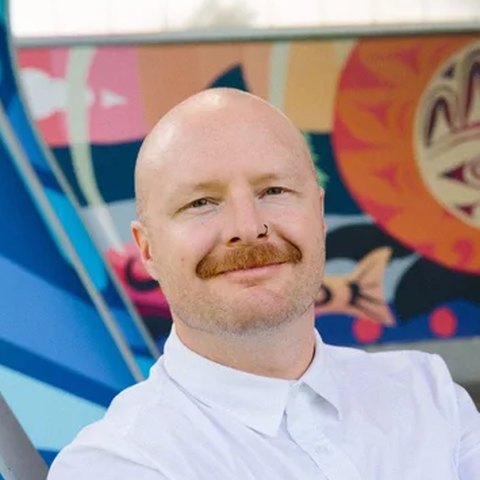 Sean Easton
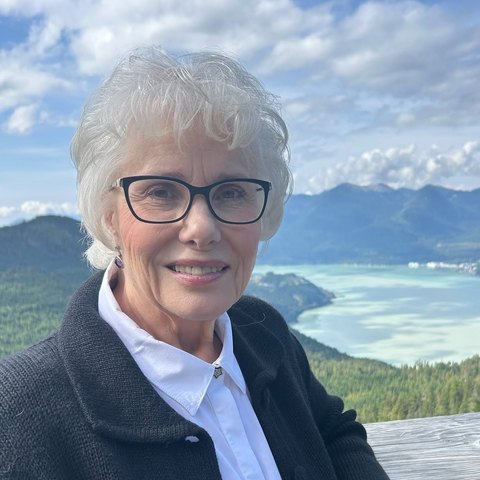 Janice DesJardins
 Luc Perreault
1 member hasn’t said: show names
 Eric Andersen
- Sean Easton (mayor) In the middle
“Making Squamish a place where everyone feels safe is important - but residents haven't raised this as a major need currently.”
- Janice DesJardins In the middle
“As long as the cost is minimal those symbos add to the sense of community. However, at present we need every penny we have to upgrade our infrastructure so common sense must prevail.”
- Luc Perreault In the middle
“I think it's important that everyone feels welcome and that they belong in Squamish. Community symbols, proclamations, and other forms of recognition can help with that, but right now the District is facing significant financial pressures and major infrastructure needs. I believe our spending should be proportional to the challenges we're facing. We should focus on practical and affordable ways to build inclusion today, and those ideas should come directly from the people and groups looking for that support. They know best what would make a meaningful difference in their lives. As our financial position improves, we can invest more in initiatives that strengthen community connection and belonging. My goal is to find the right balance: making sure everyone feels welcome while being responsible with taxpayer dollars.”
- Laura Prosko Strongly agrees
“Absolutely, it provides and showcases an inclusive community.”
- Shaun Veltkamp Somewhat agrees
“This is not a substantial cost and allows those of all walks of life a feeling of support.”
Comments they added when answering our questionnaire during the campaign, unedited.
“The District should formalize shared decision-making with the Squamish Nation on land use.”
What does this mean?
Going beyond consultation to a standing agreement on how decisions get made together.
2 members haven’t said: show names
- Sean Easton (mayor) Strongly agrees
“The Squamish Nation are our closest neighbors and partners: working more effectively with them will lead to better outcomes for all of us.”
Comments they added when answering our questionnaire during the campaign, unedited.
“The District should actively work to expand subsidized childcare spaces.”
What does this mean?
Childcare is mainly provincial, but the town can provide land, space and faster approvals.
2 members haven’t said: show names
- Sean Easton (mayor) Somewhat agrees
“Childcare is a huge need, and we should prioritize projects that deliver greater affordability to residents.”
- Laura Prosko Strongly agrees
“This needs to be a part of our community connection and vision for Squamish.”
- Shaun Veltkamp Somewhat agrees
“A strong community is built on strong families. Childcare is a critical component of that.”
Comments they added when answering our questionnaire during the campaign, unedited.
Other issues
Get it by email, once a week
Every Friday morning: what council decided that week and what’s coming up. Plain words, nothing else. Unsubscribe any time.
Sent by Squamish Voters (Jeff Kirdeikis, Squamish, B.C.). We never share your address. See this week’s email.