Garibaldi's glaciers are vanishing fast. What it means for local salmon
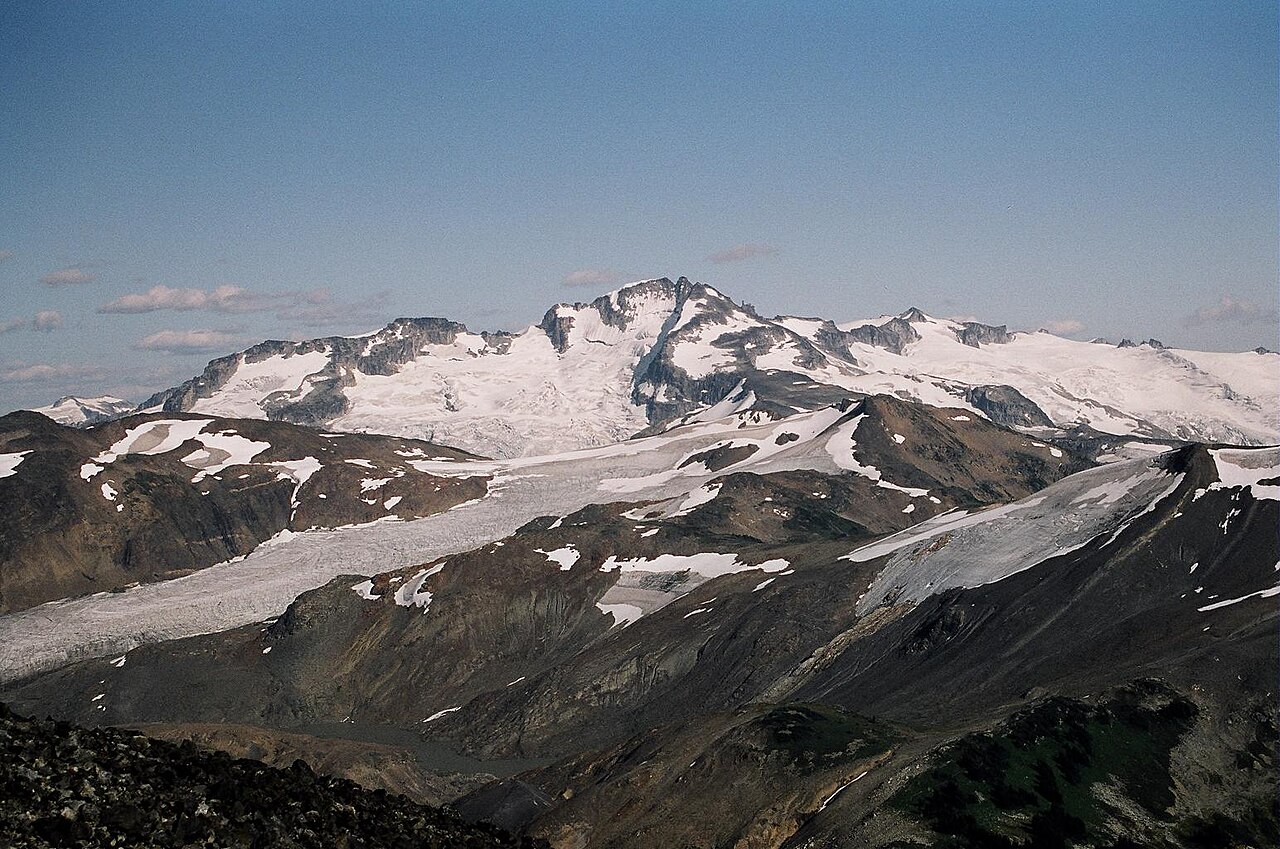
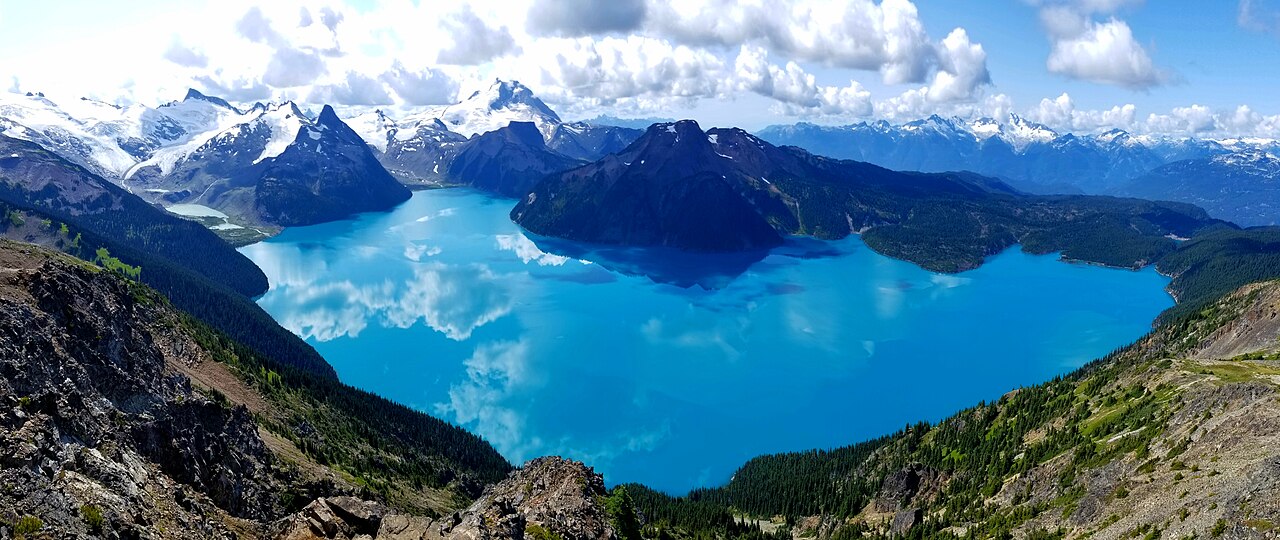
The glaciers above Garibaldi Lake and Panorama Ridge are shrinking at an astonishing rate, a new film shows. Geologist and filmmaker Bob Turner, a former Bowen Island mayor, released "Vanishing Glaciers" on YouTube. He says the loss will affect the rivers and salmon around Squamish.
What it means for Squamish rivers
Turner describes glaciers as water towers. Through mid summer and into early fall, after the snowpack is mostly gone, melting glaciers keep streams running high. That matters most during the salmon spawning season.
As the glaciers shrink, that late season water goes too. Turner says salmon will be affected "in some way, shape, or form."
The film
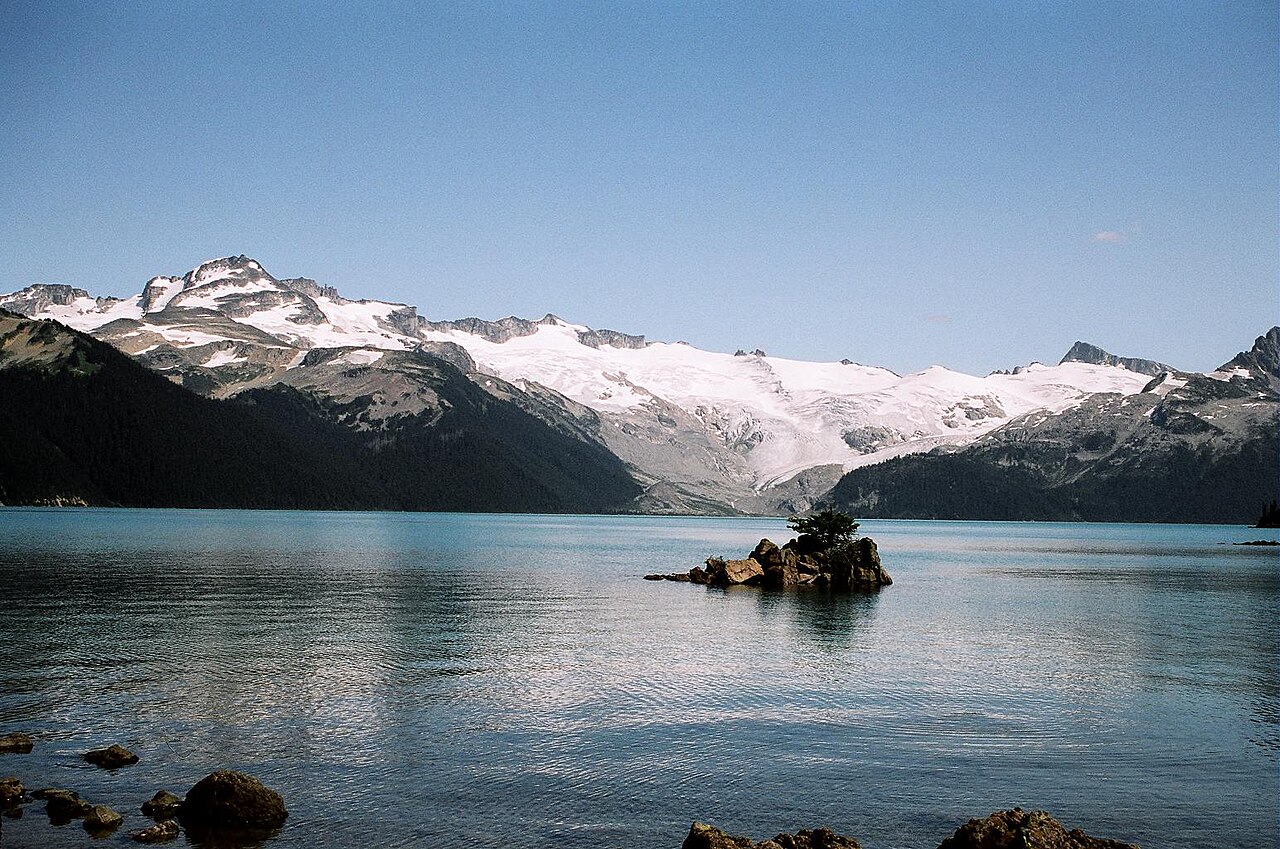
"Vanishing Glaciers" runs about 12 minutes. Turner walks the popular trail to Garibaldi Lake and Panorama Ridge in Garibaldi Provincial Park and looks at the glaciers along the way. He shot the footage in August 2025.
His main point is that the park's glaciers are disappearing very quickly. He calls glaciers "very sensitive sentinels to temperature rise." He notes that forecasts suggest very few glaciers, if any, will remain in the Coast Mountains of southern B.C. by 2100.
Why the tone changed
While Turner was editing, a glacier collapse struck Nepal. According to the United Nations, more than 1,500 people died and 5,600 remain missing. About 2.2 million tonnes of debris destroyed more than 100 bridges, 13 hydropower dams and 23 schools.
Turner said the disaster made his film more sombre. He said it showed him the consequences of glacier loss can be catastrophic.
A local focus
Turner said the federal and provincial governments are largely setting the environment aside to focus on the economy. He believes people at the local level, who value local salmon and wildlife, need to step up as protectors. The environment did not feature strongly in recent local or provincial elections. See our climate and environment page for more.
Go see them
The film ends on a hopeful note. "The goose isn't cooked. There are things we can do," Turner said. He also urges people to visit the glaciers and appreciate them while they are still there.
The film is on YouTube. The Squamish Chief reported the story.
Source: The Squamish Chief